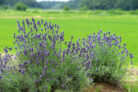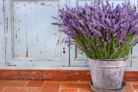
If you aren’t careful with your plant care routine, lavender can get a little dramatic. The biggest thing to keep in mind? Getting the watering just right. While this Mediterranean beauty loves a dry spot, that doesn’t mean you should let it turn into a tumbleweed. Here’s the lowdown on how to keep your lavender hydrated and happy.
Does Lavender Actually Need Watering?
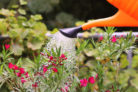
In its natural habitat, lavender thrives in rocky, poor soil with very little rainfall. It’s built for the tough life! It grows deep taproots that reach far into the ground to find moisture. Generally speaking, once it’s established in your garden, you don’t need to water it constantly. However, if you’re dealing with a scorching summer heatwave or if you’ve planted your lavender in a gravel bed, giving it a little extra drink is a smart move.
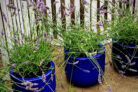
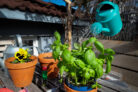
If you’re growing lavender in pots, you’ll need to be a bit more attentive. Since potted lavender can’t send those deep taproots into the earth, it relies on you for moisture. Just be careful not to overdo it! Make sure your pot has plenty of drainage holes so excess water can escape. Lavender absolutely hates “wet feet” (standing water), which can quickly lead to root rot.
How to Water Lavender in the Garden
If you want to master the art of watering lavender, it actually starts the moment you put it in the ground. Choosing the perfect spot for your lavender is half the battle. You want dry soil where moisture can drain away easily. If your garden soil is a bit heavy or clay-like, don’t worry—you can easily fix that with a drainage layer.
Lavender’s Favorite Conditions:
- Dry, well-draining soil
- Sandy or gravelly substrate
- Plenty of bright sunshine
- Zero standing water (seriously, avoid it at all costs!)
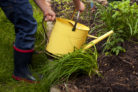
When you’re ready to plant, dig a hole and add a layer of sand or gravel at the bottom before setting the plant in. You can even mix some sand or grit into the soil you use to fill the hole. Since lavender loves sandy soil, this little trick creates the perfect environment for it to thrive. Once it’s settled, you really only need to reach for the watering can during those extra-crispy summer dry spells.