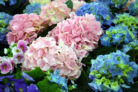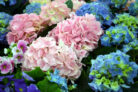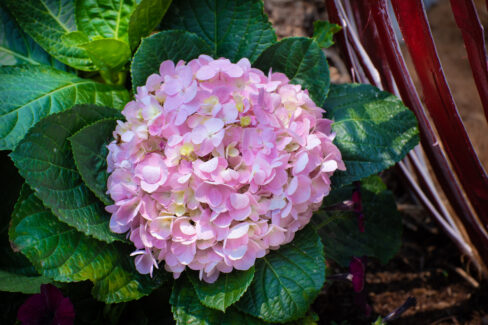
The “Endless Summer” hydrangea is a tough cookie when it comes to cold weather, but if you want those iconic, lush blooms, you’ll still want to give it a little TLC during the winter. Taking a few simple steps prevents late frosts from nipping the buds, ensuring your garden stays full of color. Here’s how to get your hydrangeas safely through the off-season.
What Makes Endless Summer Hydrangeas Special?
The Endless Summer variety is a specific type of bigleaf hydrangea (Hydrangea macrophylla). While it’s bred to be cold-hardy, a harsh frost can still stunt its flowering—and nobody wants a bloom-free summer! To play it safe, you should protect your hydrangea’s home before winter truly sets in. A great trick is to pile some fallen leaves over the root zone. To keep them from blowing away in a winter storm, you can secure the pile with a bit of chicken wire or mesh.
Here are the best materials for winter protection:
- Fallen leaves
- Evergreen branches (like fir or pine)
- Garden fleece or burlap
- Bark mulch
Once spring rolls around, give your hydrangea a quick check-up. If you notice any stems that didn’t survive the frost, just snip those dead parts off. This helps the plant focus its energy on healthy growth. The best part about Endless Summer hydrangeas? They bloom on both “old wood” and “new wood,” so a little spring pruning won’t ruin your flower show.
Protecting Potted Hydrangeas
If you have your hydrangeas in containers, you need to be extra careful. Soil in a pot freezes much faster than soil in the ground, which can be tough on the root system. To keep them cozy, wrap the pot in garden fleece or burlap. This acts like a winter coat for your plant, providing much-needed insulation.
Don’t forget the top of the pot! Add a layer of evergreen branches, mulch, or leaves to the surface to keep the roots warm. When it comes to watering, only give them a drink on days when the temperature is above freezing. This prevents water from turning into an ice block inside the pot, which could damage the hydrangea’s roots. If you live in a particularly brutal climate, you can even move your potted hydrangea into the basement for the winter.