Yellow wildflowers aren’t just for open fields—they’re a fantastic way to bring a splash of sunshine to your own backyard. These hardy plants are surprisingly low-maintenance and can thrive in all sorts of garden spots.
[[plants]]
++Common Toadflax (Linaria vulgaris)
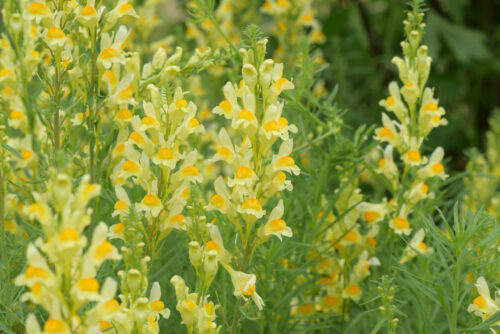
You might know Common Toadflax by its adorable nickname, “Butter-and-Eggs.” Looking at its yellow and orange blooms, which pop up from May through October, it’s easy to see why! The flowers look a lot like little snapdragons. This plant is a survivor; its roots can reach over three feet deep, and it spreads easily via underground runners. If you’re looking for something that will happily fill out a space on its own, this is your plant.
++Bird’s-Foot Trefoil (Lotus corniculatus)
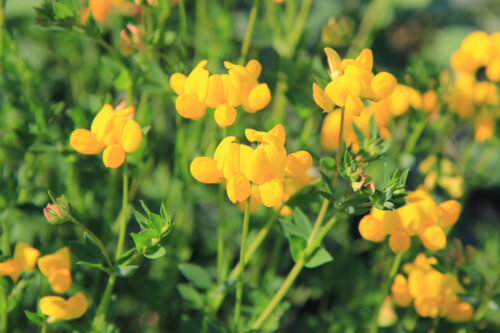
Bird’s-Foot Trefoil is a real showstopper with its vibrant yellow clusters. Blooming from May to September, it’s a favorite for local wildlife because its nectar is packed with sugar. If you want to see more bees and butterflies in your garden, definitely add this one to your list. It’s an easy way to do your part for the local ecosystem while enjoying a beautiful view.
++Yellow Anemone (Anemone ranunculoides)
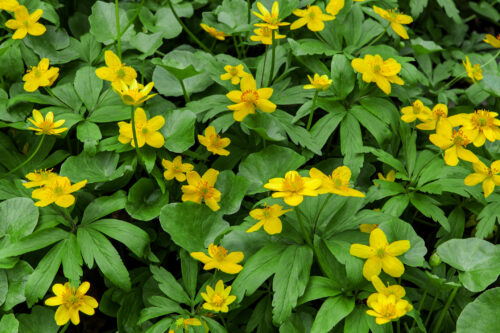
If you have a shady corner that needs some love, the Yellow Anemone (also called the Yellow Wood Anemone) is a delicate and charming choice. It’s an early bloomer, waking up the garden in April. It loves well-draining soil (no soggy feet, please!) and a pH between 5.5 and 7.5. Just a heads-up for pet owners and parents: this pretty wildflower is actually toxic, so keep that in mind when choosing its forever home.
++Horseshoe Vetch (Hippocrepis comosa)
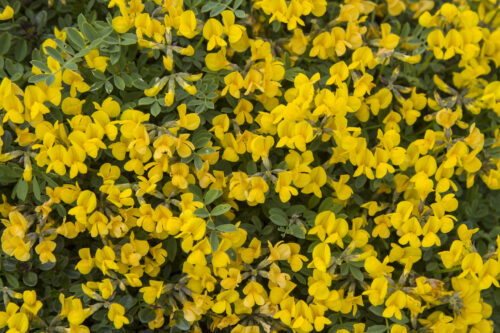
Horseshoe Vetch is a tough, perennial herb that boasts a truly intense yellow color. One of the best things about it? The flower clusters give off a lovely, sweet fragrance. It’s super flexible—it’ll grow in full sun or partial shade and doesn’t mind rocky soil. If you have a warm, sheltered spot or a rock garden, this plant will feel right at home.
++Golden Marguerite (Anthemis tinctoria)
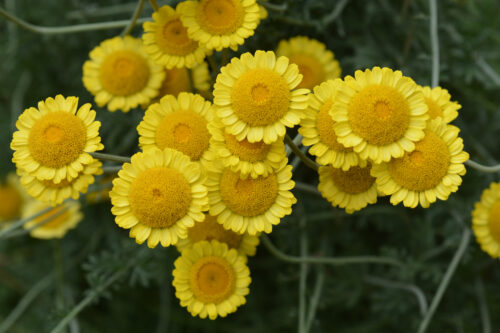
Also known as Dyer’s Chamomile, this plant looks like a classic daisy but with a sunny yellow twist. It grows in a nice, bushy shape, reaching about one to two feet tall. To get the best bloom from June to September, give it plenty of sunlight. It’s not picky about soil either—it’ll grow just fine in dry, sandy, or even clay-heavy ground.
++Dyer’s Greenweed (Genista tinctoria)
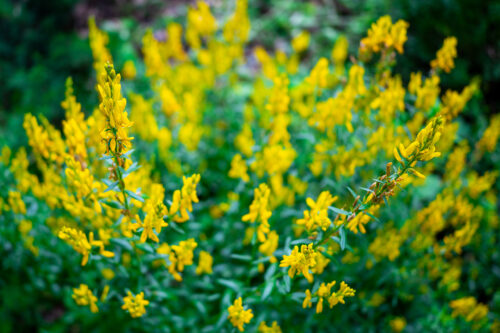
As the name suggests, this plant was historically used to dye fabrics. Between May and August, it produces stunning grape-like clusters of bright yellow flowers. It’s technically a subshrub, but you’ll often find it growing wild across European meadows. It’s a hardy, classic choice for a natural-looking garden.
++Common Dandelion (Taraxacum)
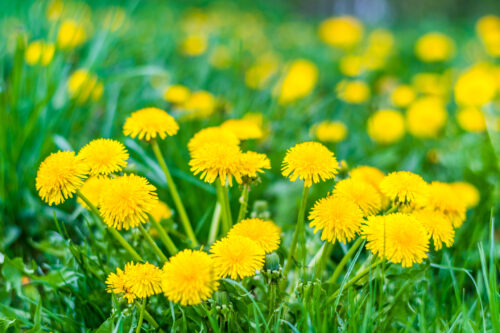
We can’t talk about yellow meadow flowers without the Common Dandelion! While some see it as a weed, it’s actually a powerhouse of a plant. Everyone recognizes those bright yellow heads that eventually turn into the “wish-making” puffballs we all loved as kids. They are incredibly resilient—you’ll see them popping up in pristine meadows and through cracks in city sidewalks alike.
%%Fennel (Foeniculum vulgare)
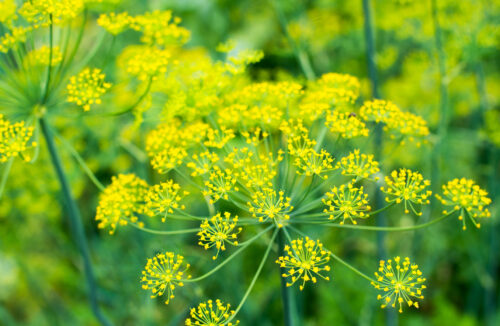
Here’s a pro tip: Fennel isn’t just for the kitchen! It produces beautiful, airy yellow flower umbels that look amazing in a garden bed. It’s a biennial plant that loves a sunny spot. Whether you go with the garden variety or the wild version, it’s a very low-maintenance way to add height and texture to your landscape.