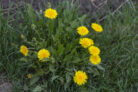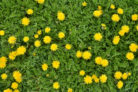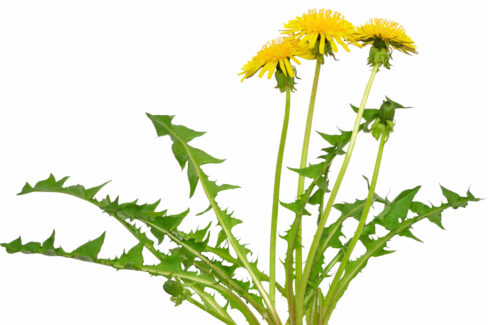
If you’ve ever tried to yank a dandelion out of your lawn, you know exactly how stubborn that long, sturdy taproot can be. It’s the bane of many gardeners’ existence! But before you wage war on these yellow blooms, it’s worth noting that they aren’t just “weeds.” Dandelions are actually powerhouse medicinal plants with a ton of health benefits. Let’s dive into everything you need to know about these sunny garden staples.
Dandelion Profile: Getting to Know This Hardy Bloom
- Genus: Asteraceae (Daisy family)
- Subfamily: Cichorioideae
- Botanical Name: *Taraxacum officinale*
- Native Range: Northern Hemisphere (Europe, Asia, North America)
- Natural Habitat: Meadows, fields, pastures, and open woodlands
- Height: 4 to 20 inches
- Growth Habit: Upright and herbaceous
- Foliage: Basal rosette, deeply lobed/toothed, lance-shaped
- Bloom Time: April through June
- Flower Shape: Bright yellow composite flower heads
- Fruit: Cypselae (dry fruit), silvery-white puffballs
- Seeds: Small, capsule-shaped, and black
- Preferred Location: Full sun to partial shade
- Benefits: Detoxifying, mild laxative, diuretic (blood-purifying)
What’s in a Name?
Depending on where you grew up, you might know the dandelion by a dozen different names—like puffball, lion’s tooth, cankerwort, or even “piss-a-bed” (thanks to its diuretic properties!). This wild plant is a hardy perennial that has spread across the globe, with over 400 different species identified today.
Where Do Dandelions Like to Grow?
Dandelions aren’t picky. You’ll find them taking over fallow fields, meadows, roadsides, and, of course, your backyard. They are incredibly adaptable, colonizing wide-open spaces just as easily as they squeeze into a tiny crack in a sidewalk or a stone wall.
Structure and Appearance
Once you recognize a dandelion, you’ll see them everywhere. They have a soft, herbaceous growth habit and can reach up to 20 inches tall. One of the most recognizable features is the hollow green stem, which is filled with a sticky white milky sap (latex) that oozes out if you snap it.
Starting from that deep taproot, the plant forms a “rosette” of leaves at ground level. These leaves can grow up to 12 inches long and are famous for their jagged, tooth-like edges—which is actually where the name “dandelion” comes from (*dent-de-lion* or “lion’s tooth”).
A Sea of Yellow Blooms
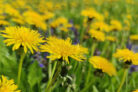
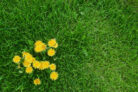
What makes the dandelion so iconic? Aside from the “wish” seeds, it’s those brilliant yellow flowers that pop up in early April. These flower heads sit right at the top of the smooth stems and have some pretty cool botanical features:
- They consist entirely of ray florets (no disk florets in the center).
- Each flower head is actually made up of 200 to 300 individual tiny flowers.
- They are hermaphroditic (containing both male and female parts).
- They are a massive hit with pollinators! Beekeepers love them because they provide a huge amount of nectar and pollen early in the season.
Puffballs: The Secret to Their Success
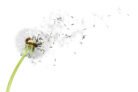
After the flowering stage, the dandelion transforms into the “puffball” we all loved to blow on as kids. This fluffy white globe is actually a collection of seeds.
Each individual seed is attached to a tiny, feathery “parachute” (called a pappus). This allows the wind to catch them and carry them far and wide. The seeds themselves are small, black, and elongated. Because they are so good at hitching a ride on a breeze, dandelions are masters of self-seeding and spreading throughout your landscape.