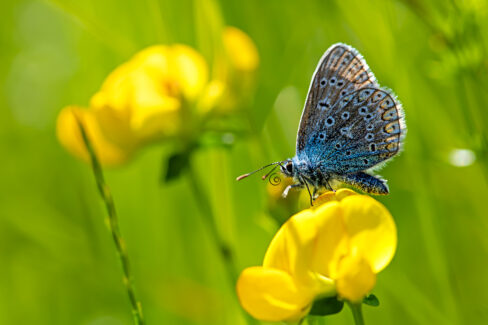
Bird’s-foot trefoil (often called “Common Bird’s-foot Trefoil”) is a hardy little plant you’ll find growing wild all across Europe and parts of North America. But don’t let its humble appearance fool you! It’s way more than just a pretty wildflower. Once you dive into the amazing benefits and uses of this plant, you’ll be shocked at how versatile it really is—though I’ll admit, lawn enthusiasts usually have a few choice words for it.
Quick Facts at a Glance
- Scientific Name: Lotus corniculatus
- Common Names: Bird’s-foot trefoil, bacon-and-eggs, bird’s-foot deervetch
- Related Species: Alpine trefoil, hairy bird’s-foot trefoil, narrow-leaf trefoil, marsh bird’s-foot trefoil
- Family: Fabaceae (Legumes)
- Origin: Central and Western Europe, Canary Islands, Mediterranean
- Where it grows: Open woods, roadsides, meadows, and hedgerows
- Soil preference: Calcareous clay soils, dry to semi-dry grasslands
- Growth habit: Herbaceous perennial, 2 to 12 inches tall
- Leaves: Clover-like, pinnate; undersides are a bluish-green
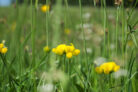
- Flowers: Bright yellow, pea-like clusters
- Bloom time: May through September
- Fruit: Pods that look like a bird’s foot (hence the name!)
- Propagation: Runners and seeds
- Hardiness: Fully winter-hardy
- Toxicity: Non-toxic
- Uses: Pollinator magnet, livestock fodder, medicinal herb, ornamental
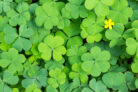
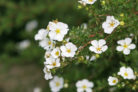
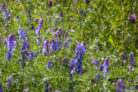
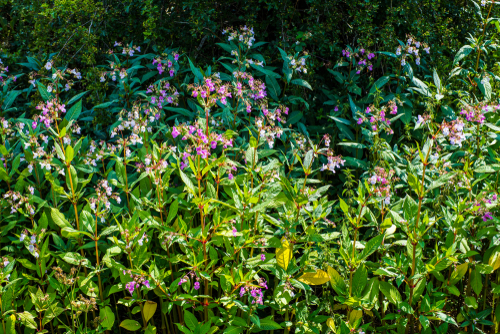
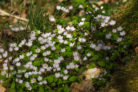
- Look-alikes: Creeping woodsorrel, horseshoe vetch, meadow vetchling
Dealing with Bird’s-foot Trefoil in Your Lawn
If your lawn is running low on nitrogen, bird’s-foot trefoil will move right in and make itself at home. It can spread so aggressively that many gardeners label it a “weed”—especially if you’re dreaming of that perfect, uniform green carpet. If you want it gone, your best bet is the old-fashioned way: digging it out by the roots. Using heavy-duty herbicides or weed-killing tarps usually ends up killing your grass too, forcing you to reseed the whole area.
However, before you grab the shovel, consider the perks! Bird’s-foot trefoil actually naturally fertilizes your soil by fixing nitrogen. Plus, it’s a natural slug repellent—it acts like a deterrent to those slimy garden pests.
Yes, It’s Edible!
During its long blooming season, this plant is a favorite hangout for bees and butterflies who can’t get enough of its sugar-rich nectar. But humans can enjoy it, too! Those sunny yellow blossoms make a gorgeous (and edible) garnish for salads or desserts. You can even use the young, tender leaves in small amounts.
Pro-Tip:
Use bird’s-foot trefoil sparingly. It has a very intense, distinct flavor that can easily overpower a dish!
The Healing Power of Bird’s-foot Trefoil
In the world of herbal remedies, bird’s-foot trefoil is known for its flavonoids, which have calming and antispasmodic properties. It’s a great natural go-to for easing nervous tension or helping with sleep issues.
From June to August, you can pick fresh flowers and brew them into a soothing tea. Just use 1 teaspoon of crushed flowers per cup of water, let it steep for about 10 minutes, and strain. You can also dry the flowers so you have a stash ready to use all year long!