When Summer is Just Around the Corner
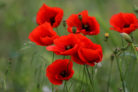
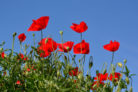
When the temperatures start to climb, you know those gorgeous red blooms aren’t far behind. Corn poppies (or *Klatschmohn*, as they say in Germany) are the ultimate sign that summer has arrived. But when exactly do they show off their colors? Are there certain things that affect their blooming schedule? And how long does that vibrant display actually last? Let’s dive into everything you need to know.
The Main Bloom Season
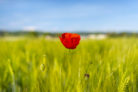
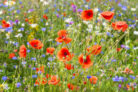
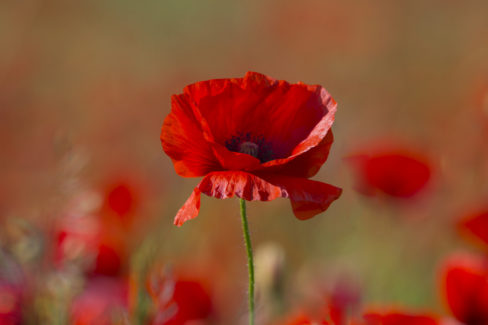
For most of us, the corn poppy is the quintessential symbol of summer. When you see those bright red petals popping against a backdrop of golden grain fields, you know the warm season is officially here. Farmers usually take it as a sign that the harvest is approaching, too. But here’s the thing: by the time the combines roll out, the poppies are often already done for the season. By late June, you’ll mostly see dried-out seed pods where the flowers once stood.
How the Weather Plays a Role
While the peak blooming window is typically May through June, Mother Nature can definitely shift the schedule. If we have an especially mild spring, you might see those red blooms much earlier than usual. On the flip side, a cold, rainy spring can keep the buds tightly closed for a while longer. Poppies are sun-worshippers—they need plenty of light, warmth, and relatively dry conditions to really put on a show.
How Long Does Each Flower Last?
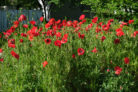
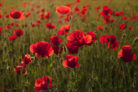
The overall blooming season for a poppy patch is pretty short—usually about two months. But on an individual level, it’s even more fleeting: a single flower typically only lasts for one day! Thankfully, the plant is a powerhouse that constantly produces new buds, which is why you’ll see a steady sea of red from May through July.
Pro Tip: If you want that poppy look in your garden for a longer stretch, you might want to plant Oriental Poppies instead of the common corn poppy. That variety can keep blooming all the way into September.
Can You Use Them as Cut Flowers?
You *can* cut corn poppies for a vase, but honestly, they aren’t the best candidates for arrangements. Because the petals wilt so quickly, they usually only last a day or two in water before dropping. If you’re looking for a bouquet-friendly flower, there are definitely better options out there.
Let Them Do the Work: Self-Seeding
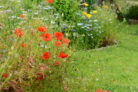
Corn poppies look their absolute best when they’re growing in big, natural-looking drifts. Before you go out and spend a fortune on seed packets, here’s a little secret: just let the plants do their thing! Once the flowers fade, the seed pods open up and scatter seeds all on their own. Since these plants are usually biennials, letting them self-seed ensures you’ll have a beautiful display returning to your garden year after year.