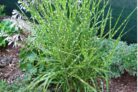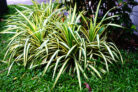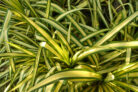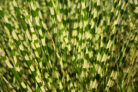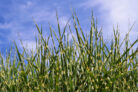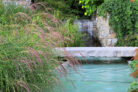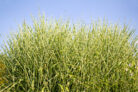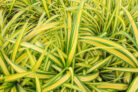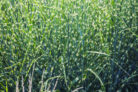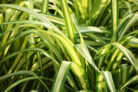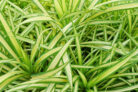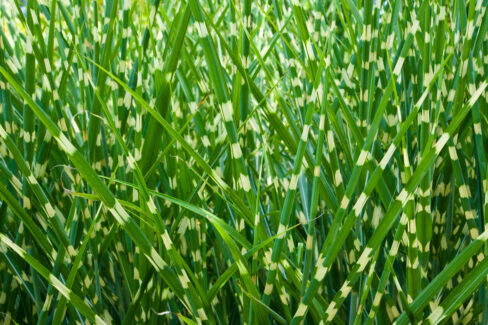
Zebra grass is a stunning ornamental grass that can reach impressive heights, showing off those iconic horizontal stripes. If you want to keep your plant looking its best and show off your green thumb, timing and the right nutrients are key. Here is everything you need to know about feeding your zebra grass.
Go Natural with Your Fertilizer
When it comes to caring for zebra grass—and most ornamental grasses, for that matter—natural is the way to go. Most gardeners find that compost or humus works wonders. Some even swear by liquid manure (jauche) as a nutrient boost. These organic options work perfectly with the well-draining, slightly acidic or alkaline soil that this plant loves.
Try using these organic materials:
- Compost
- Humus
- Liquid manure or organic plant tea
I’d recommend staying away from synthetic chemical fertilizers. Standard store-bought fertilizers often cause the grass to grow too tall too fast. When that happens, the stalks lose their structural integrity and become floppy. They might sprawl across your garden bed or, even worse, snap during a summer storm. Stick to natural fertilizers, and you’ll be rewarded with much sturdier, upright stalks.
Zebra Grass Isn’t Too Picky
While zebra grass definitely needs a sunny spot and regular watering, it’s actually not very demanding when it comes to soil quality. This means you can successfully plant it even in somewhat poor soil. In many cases, you might not even need to fertilize at all! However, if you notice the stalks are looking a bit pale or the growth seems stunted, a little organic snack will help perk them right up.
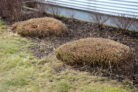
One important rule: never fertilize during the winter months. Just let the plant rest. The dried-out stalks actually act as a natural insulation layer against the cold. Once spring rolls around, you can cut the grass back close to the ground. Giving it a good trim at the right time is actually the best way to jumpstart its natural growth cycle for the new season.