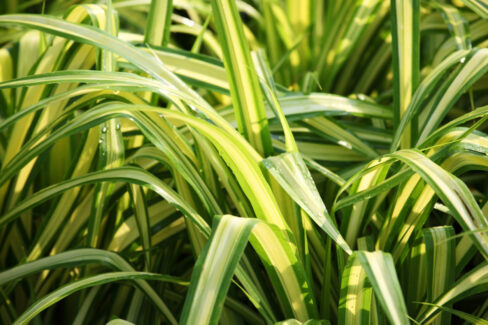
Low-maintenance Zebra Grass is one of those garden favorites that won’t give you much trouble, even when the temperature drops. This beautiful ornamental grass is naturally hardy, but a few simple steps will ensure it makes it through the winter in tip-top shape. Here’s everything you need to know to keep your grass happy until spring.
A Hardy Ornamental Grass from China
Zebra Grass originally hails from China, which explains why it loves soaking up the sun at its planting site. But don’t let its love for sunshine fool you—this plant is surprisingly tough. It can handle temperatures as low as -4°F (-20°C) without breaking a sweat. It has a clever survival strategy: as winter approaches, the plant pulls its sap down into the lower part of the stalks to stay protected. With a few pro-tips, you can give it a little extra hand during the coldest months.
In most regions, this natural resilience means your garden-planted grass will handle frost just fine. In fact, Zebra Grass adds a magical touch to a winter landscape. Seeing frost crystals glisten on the dried stalks is a treat for any gardener, which is exactly why so many people love using it as a focal point in their yard.
Winter Care for Your Zebra Grass
Here’s a great tip that helps the plant while adding some visual flair to your yard: gather the stalks and tie them together at the top. This creates a shape that looks a bit like a teepee. Not only does this look cool, but it also creates a natural thermal shield. The dried outer stalks protect the heart of the plant from excessive moisture and biting winds.
Here is your winter checklist:
- Wait until spring to prune your Zebra Grass
- Wrap pots and containers in garden fleece or burlap
- Tie the stalks together in a bundle
If you’re growing Zebra Grass in containers, you’ll need to be a bit more careful. Since the roots are above ground in a pot, they’re much more vulnerable to the cold than plants tucked into the soil. To keep them cozy, you can move the pots into a garage or wrap the containers in garden fleece. This extra layer of insulation acts like a winter coat for your plant’s roots!