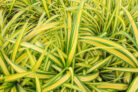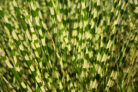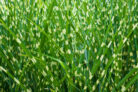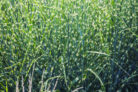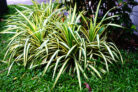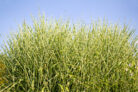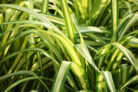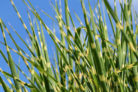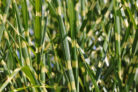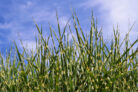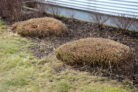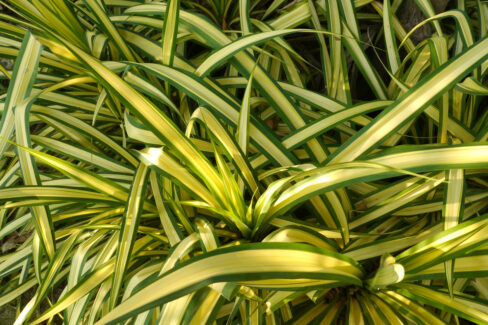
With its striking striped pattern, Zebra Grass (native to East Asia) is a fantastic way to add an exotic, eye-catching touch to your backyard. The best part? It’s a low-maintenance superstar that isn’t too picky about soil. However, even the toughest plants have their limits, and certain care mistakes can turn those vibrant blades brown. Here’s what you need to know to keep your grass looking its best.
What Zebra Grass Really Wants
Whether you’re planting Zebra Grass in your garden beds or keeping it in a decorative pot on your patio, picking the right spot is key. To really thrive, this ornamental grass craves plenty of sunshine and a steady supply of water. If you notice those green stalks starting to turn brown, it’s usually a sign that something is off with its routine.
Here are the most common culprits for brown blades:
- Natural changes in late autumn
- Using the wrong type of fertilizer
- Over-fertilizing
- Standing water (root rot) or inconsistent watering
When it comes to feeding, less is usually more. If you want to give your Zebra Grass a boost during the growing season, stick to organic options. Things like compost, humus, or organic mulch work wonders for the slightly acidic to slightly alkaline soil this plant prefers. On the flip side, synthetic liquid fertilizers can easily lead to over-fertilization or chemical burns on the roots. If the roots are struggling, the plant can’t take up nutrients properly, and you’ll see the results in the form of brown, crispy leaves.
Healthy Roots Mean a Healthy Plant
Zebra Grass is known for its expansive root system. To keep it from “stealing” water from its neighbors in a garden bed, many gardeners install a root barrier before planting. This also helps keep the plant from spreading beyond its designated space.
If you’re growing your Zebra Grass in a container, keep in mind that you’ll need to repot it every few years. When the plant becomes root-bound (meaning the roots have completely filled the pot), it can no longer absorb enough water or nutrients to sustain itself, which quickly leads to those dreaded brown stalks.