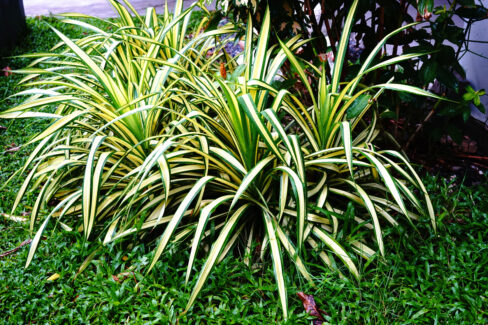
You’ll get so much joy out of Zebra Grass during the summer months, thanks to those iconic striped blades and fluffy plumes. But what happens when the temperature starts to drop? Don’t worry—I’ve got you covered. Here’s how to get your Asian ornamental grass safely through the cold season so it bounces back beautifully in the spring.
We’ll look at two main scenarios:
- General winter protection for grass planted in the ground
- Special tips for Zebra Grass in containers
Zebra Grass is surprisingly low-maintenance in the winter
Even though Zebra Grass originally hails from warmer regions in Asia, it actually handles our North American winters like a champ. This ornamental grass is quite hardy and can withstand temperatures down to -4°F (-20°C). Generally speaking, you don’t have to stress too much about it surviving until spring at its planting site. However, a few simple steps will help the grass stay upright and healthy even when the snow starts to fly.
The secret to its cold-hardiness lies in the structure of those tall stalks. The plant has sections that stay tucked safely underground. When it gets too cold above the surface, the plant pulls its sap down into these roots. If you want to give your Zebra Grass an extra layer of security on the coldest days of the year, try this simple but effective pro-tip:
- Gather the stalks and tie them together at the top.
- The grass clumps should look like a cozy little teepee.
- This “bundling” technique acts as natural insulation and keeps excess moisture away from the center of the plant.
Winter protection for container-grown plants
If you’ve planted your Zebra Grass in a pot or container, you definitely need to take a few extra precautions. Because the pot is exposed on all sides, the roots don’t have the natural insulation of the earth to keep them warm. This means the frost can reach the root ball much faster than it would in a garden bed. To keep your potted Zebra Grass safe, move it to a spot sheltered from the wind or wrap the container in burlap or garden fleece to keep the roots cozy.