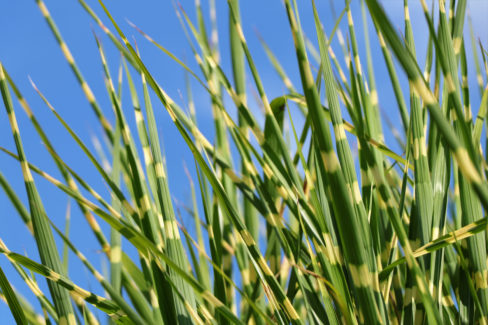
It’s pretty obvious how Zebra Grass got its name—those striking horizontal yellow and green stripes are a total standout in any landscape. It’s a huge favorite for home gardeners because of that unique look, but if you’re thinking about adding some to your yard, there’s one thing you need to plan for right away: a root barrier.
Zebra Grass loves to take over
Zebra Grass doesn’t just spread through seeds; it expands underground via its root system. If it’s happy in its spot, this ornamental grass will take off faster than you might expect. The tricky part is that if it’s left to grow unchecked, it won’t just hog all the space in your flower bed—it can also shoot up to 8 feet tall! That means it’s not just stealing nutrients from your other plants; it’s literally overshadowing them and blocking their sunlight.
Installing a root barrier
If you want to keep your Zebra Grass in check, you really should install a root barrier from day one. This creates a clear boundary for the roots. To make sure the plants don’t get too crowded and pressurized inside that barrier, give them about three feet of space between each other. You’ll want to bury your barrier at least 20 inches deep. Here are a few materials that work well:
- Large stones or pavers
- Heavy-duty pond liner or plastic sheeting
- Landscape fabric (root barrier grade)
Pro tip: If you only want a small patch of grass, you can even use a large plastic bucket with the bottom cut out!
Alternatives to root barriers
If digging in a barrier isn’t your style, you’ve got a few other options. You can dig up and divide the root ball every two to three years. This actually rejuvenates the plant and keeps it from spreading too far. Another great hands-off approach is planting your Zebra Grass in large containers from the start. Finally, you can always look for specific cultivars that are known for being a bit better behaved and less prone to spreading.