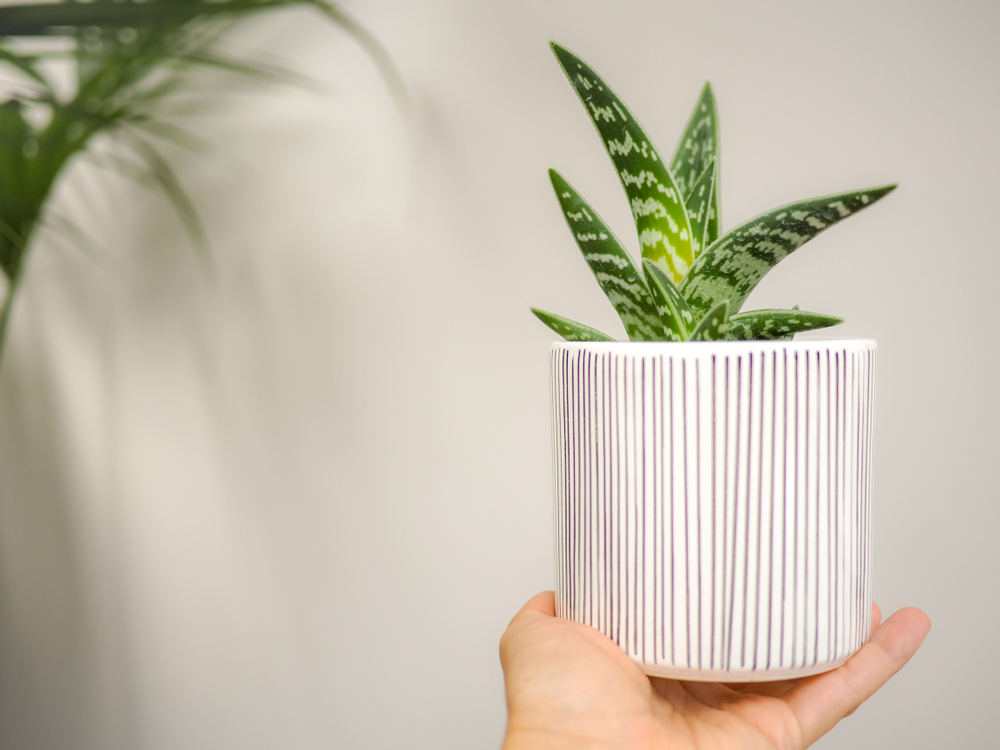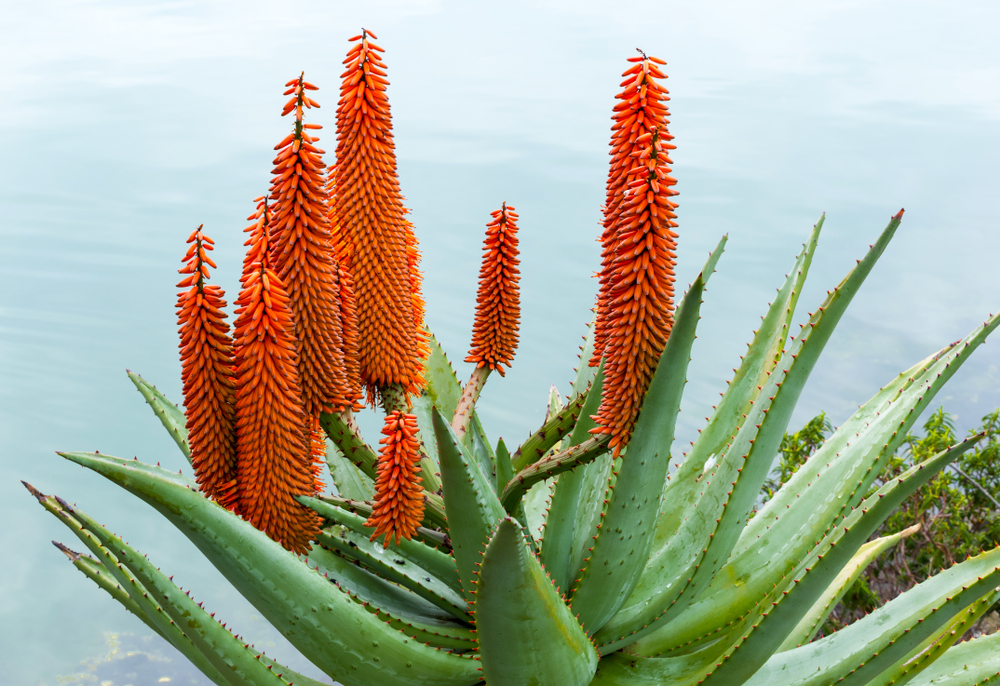
Aloe Vera and Agave are both sun-loving residents of the world’s tropical and subtropical regions. While you’ll mostly find Agave hanging out in the American plains and deserts, Aloe calls Africa and the Mediterranean home. Here in the States, depending on your local climate, both are super popular as either hardy outdoor landscape plants or easy-going houseplants. At first glance, they look like twins, but if you look a little closer, they’re actually quite different!
The Aloe Vera
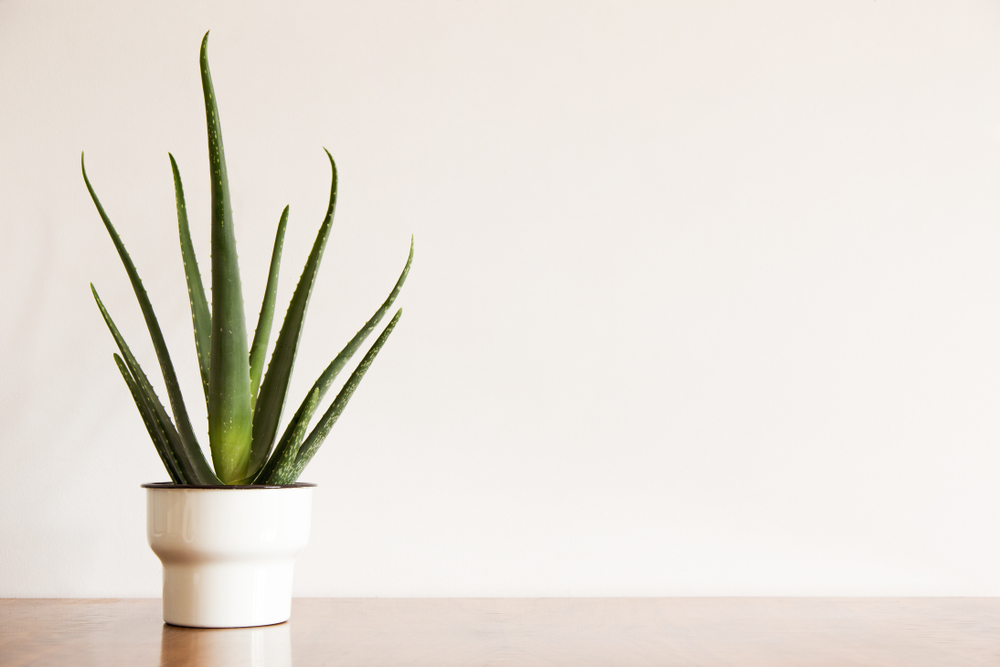
Aloe belongs to the Asphodelaceae family (the same family as grass trees) and boasts about 500 different species. It’s most famous for that “miracle gel” tucked inside its leaves. If you’ve ever had a nasty sunburn, you know there’s nothing better than squeezing some fresh gel straight from the leaf onto your skin for instant relief. The beauty industry loves it for the same reason—it’s incredibly soothing. Here are a few more Aloe hallmarks:
- Short, stout stem
- Gray-green leaves up to 20 inches long, arranged in a rosette with prickly edges
- Leaves act as water storage tanks
- Produces yellow, red, or orange flowers on stalks up to 2 feet tall
- Definitely not a fan of frost (keep ’em warm!)
- Sprouts “pups” (offsets) all on its own
- Healing properties usually peak after about four years of growth
The Agave
Agave is actually a member of the Asparagaceae family—yep, it’s a distant relative of asparagus! These plants are tough as nails and have some pretty unique characteristics:
- Short, thick stem
- Fleshy, succulent leaves in a rosette, usually ending in one very sharp terminal spine
- Massive flower stalks that can reach up to 40 feet high
- The “one and done” bloomer: it only flowers once in its lifetime
- The main plant dies after fruiting, but don’t worry—it leaves behind plenty of pups
- The sap is used to make Pulque (a traditional Mexican drink) and, of course, tequila
- Leaf fibers are used to make durable Sisal rope
- Surprisingly hardy; some varieties can handle temperatures down to 5°F
How to Tell the Difference
Since Aloe and Agave look like long-lost cousins, the best way to tell them apart is to look at their flowers. A mature Aloe Vera is a repeat performer, blooming every year from the leaf axils. Agave, on the other hand, is the “patient” type. It takes years—sometimes decades—to bloom. When it finally does, it sends up a massive, tree-like stalk from the very center of the plant. Once the seeds drop, the main plant calls it quits. Another pro tip? Check the leaf tips. Agaves usually have one single, wicked-sharp needle at the very end of the leaf, while Aloe leaves have small, serrated teeth running all along the edges.