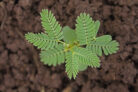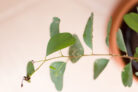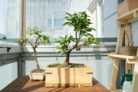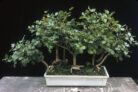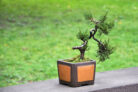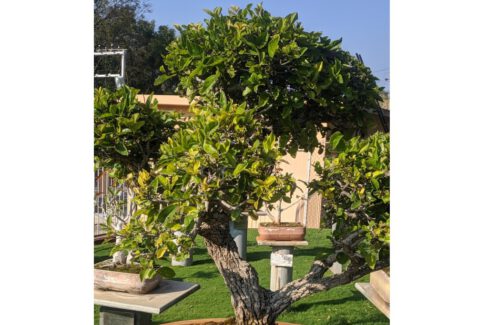
Acacias are a huge favorite for gardens and balconies alike. They’re super versatile, especially when grown in pots or containers, but did you know you can also grow an Acacia as a bonsai? It’s a rewarding project, though there are a few specific things you’ll want to keep in mind to get it right.
Bonsai Styles for Your Acacia
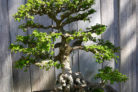
When it comes to shaping your Acacia bonsai, you’ve got some great options. These trees look particularly stunning when styled as:
- Multi-trunk compositions
- Umbrella shapes (mimicking their natural look in the wild)
- Root-over-rock styles
How to Shape Your Acacia Bonsai
The golden rule here is to start early! If you wait until the tree is too tall, you’ll end up having to hack away way too many branches to get that compact look. During the spring and summer, keep things tidy by pruning back new shoots to just one leaf base. Then, once winter rolls around, you can do your heavy structural pruning.
Wiring is another great way to guide your tree’s growth. It’s often gentler than a massive prune, but be careful—Acacia branches can be brittle and snap if you’re too rough. Make sure to remove the wire after four months at the latest so it doesn’t scar the bark.
Regular pruning is key. It doesn’t just keep the tree small; it helps maintain that classic bonsai silhouette for the long haul. Keep an eye out for any runaway branches and trim them back promptly.
Caring for Your Acacia Bonsai
Taking care of a bonsai version isn’t all that different from looking after a full-sized Acacia in the garden, but because it’s in a smaller environment, you have to be a bit more attentive.
The Perfect Spot
Acacia bonsais are pretty flexible—they’re happy both indoors and out. They love a consistent temperature around 65°F (18°C) and plenty of sunlight. If you keep yours outside, just make sure it’s shielded from heavy downpours and harsh winds. And don’t forget: when the temperature drops in the winter, you’ll need to move it to a protected spot to overwinter.
Watering and Feeding
You want to keep the soil consistently moist. Never let the root ball dry out completely, but definitely avoid letting it sit in soggy soil (root rot is no fun!). Since bonsai pots are shallow, the soil dries out much faster than in a standard planter, so light, frequent watering is the way to go. From March through August, give your tree a little boost with some liquid bonsai fertilizer every two weeks.