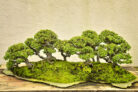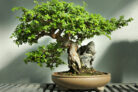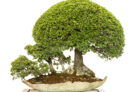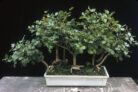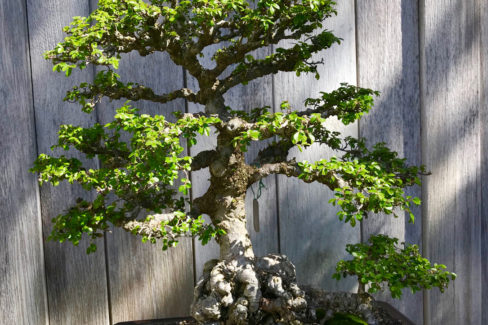
In the wild, elm trees are absolute giants. They can live for several hundred years and reach impressive heights of up to 130 feet! But don’t let those massive stats scare you off—thanks to specifically bred dwarf varieties, elms also make fantastic bonsai trees. If you’re thinking about starting your own miniature forest, here’s what you need to know.
Elms are naturally tall
Most well-known elm species are famous for their height. They can tower up to 130 feet and live for four centuries. Because of this, the original wild forms of the elm are best suited for large gardens where they have plenty of room to stretch their branches.
The Chinese Elm: The perfect bonsai candidate
When it comes to bonsai, the Chinese Elm is the star of the show. It has all the right traits for miniature cultivation: it handles pruning like a champ and grows much more slowly than its massive cousins. This makes the Chinese Elm the go-to choice for creating beautiful, shaped bonsai trees.
Caring for your bonsai
Growing a bonsai is an art, but it’s totally doable if you keep a few specific needs in mind.
Finding the right spot
Elms love warmth and sunshine. Your elm bonsai will thrive in a sunny spot, whether you keep it indoors or out. However, a word of caution: if you put it on a patio or balcony, try to avoid harsh, direct midday sun, as the leaves can actually get sunburned.
Also, keep an eye on the thermometer. The Chinese Elm isn’t fully frost-hardy. When temperatures drop below freezing, move your tree to a protected indoor spot where it can stay cool but safe from the frost.
Watering and feeding
Since bonsai pots hold a very small amount of soil, they dry out quickly. Regular watering is a must! Just be careful not to let the tree sit in standing water—elms hate “wet feet,” and their roots can rot if they stay soggy.
For nutrients, give your bonsai a dose of liquid fertilizer every two weeks during the growing season. In the winter, you can scale back to once a month.
Pruning your bonsai
To get that iconic look, pruning is key. The great thing about the Chinese Elm is that it’s very forgiving; even if you make a little mistake with the shears, the tree usually bounces back just fine.
You’ll want to thin out the crown every two to three years by removing any awkward or overgrown branches. Frequent light trimming will also help the tree develop dense, lush foliage and keep it looking sharp.
If you want to train the branches into a specific shape, you can use bonsai wire. Just remember to remove the wire once the branches have “set” so it doesn’t cut into the bark.
Repotting
Elms are fast growers underground, too. You’ll need to repot your tree every two to three years into a slightly larger container with fresh soil. This is also the perfect time for a root prune. Trimming back the roots not only removes old, dried-out bits but also helps keep the tree’s overall growth manageable for its small pot.