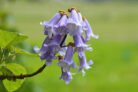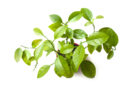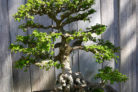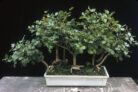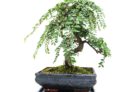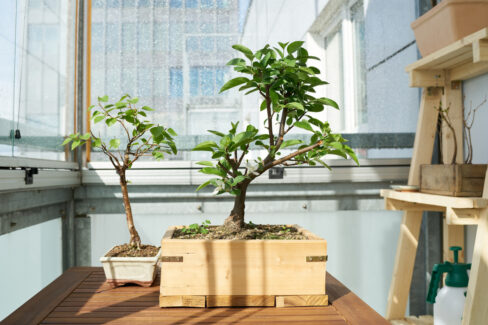
The art of Bonsai likely got its start in China before making its way to Japan, and today, it’s a favorite hobby for gardeners everywhere. The cool thing is that you can turn almost any tree or shrub into a Bonsai—there are really no limits to your artistic vision! By growing these trees in shallow pots or containers, you naturally restrict their size, creating a tiny masterpiece.
The Apple Bonsai
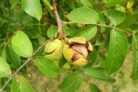
If you’re just starting out, I highly recommend trying your hand at an Apple Bonsai (*Malus*). Compared to other species, they are super beginner-friendly. They’re vigorous growers, put on a spectacular flower show, and produce the cutest tiny fruits. European Crabapple (*Malus sylvestris*) and various ornamental varieties like *Malus toringo* or *Malus halliana* are perfect candidates. With the right TLC, a Bonsai can actually outlive its owner! You can usually find started Apple Bonsais for around $75 and up.
Growing Crabapple Bonsais
The Crabapple Bonsai is an outdoor plant through and through. Just like a full-sized apple tree, it craves sun, wind, and fresh air. It needs to stay outside year-round to experience the changing seasons, which is vital for its health. A little rain actually helps the leaves grow stronger, and these hardy trees can even handle frost.
Watering Your Crabapple
Here’s a good rule of thumb: the more sun your tree gets, the more leaves it grows—and the more leaves it has, the thirstier it gets! These little guys have a high water demand, so you never want the soil to dry out completely. It’s best to use rainwater or “stale” tap water that’s sat out for a bit. Give the whole plant a nice shower when watering. If the soil does happen to dry out, you’ll need to submerge the pot in water to rehydrate it thoroughly.
Pruning Your Bonsai
Pruning is the “secret sauce” to getting that iconic Bonsai shape. You’ll need to regularly trim back branches, twigs, shoots, and even the roots. Start your pruning in May and keep at it every 6 to 8 weeks through September. Whenever you repot your tree, make sure to give the roots a trim as well.
Wiring for Shape
To get those branches growing exactly where you want them, you’ll need to use the wiring technique. Wrap aluminum wire firmly (but not too tight!) in even coils from the bottom up. This allows you to bend the branches into your desired design. Just be sure to remove the wire by mid-May; otherwise, as the tree grows and the branches thicken, the wire will leave permanent scars in the bark.
Fertilizing the Right Way
Even though we want our Bonsai to stay small, it still needs nutrients to stay healthy! You’ll want to fertilize regularly from spring through autumn. However, take a break from feeding while the tree is in bloom or if you’ve just recently repotted it.