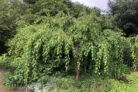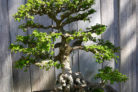
You don’t need a massive estate or a sprawling park to enjoy the beauty of a willow tree. Believe it or not, these majestic giants can actually be grown as stunning bonsai! If you’ve ever wanted to bring that iconic weeping look into your home or onto your patio, here’s everything you need to know about training and caring for a willow bonsai.
How to Start Your Own Willow Bonsai
You can always buy a pre-trained willow bonsai, but starting one yourself is a super rewarding project. First, you’ll need a young willow sapling. Once you plant it in a shallow bonsai pot, you’ll want to trim back the roots and prune the branches down to just a few main ones. From there, you can use bonsai wire to shape the tree into that classic silhouette. To get the best results, you’ll want to pick a variety that naturally lends itself to miniature growth.
Here are a few of my favorite varieties for bonsai:
- Weeping Willow: Perfect for creating those iconic, long, flowing branches.
- Purple Willow: Known for its dense growth and beautiful, colorful twigs.
- Dwarf Willow: Naturally stays small, making your job a lot easier!
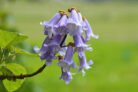
- Swiss Willow: Offers gorgeous blooms and unique foliage.
Caring for Your Willow Bonsai
Willows are thirsty trees, so keeping them happy requires a bit of a routine. First off, let’s talk food and water. You’ll need to water your bonsai regularly—a specialized bonsai watering can (or “rose”) is great for a gentle soak. As for food, use a high-quality bonsai fertilizer from your local garden center. Start feeding every two weeks as soon as the leaves pop out in the spring, then slowly taper off starting in September.
Location is the next big thing. Willows love light, so find a bright spot for your tree. Keep in mind that willow roots grow incredibly fast! For the first few years, you’ll likely need to repot it into a slightly larger container twice a year to keep it from getting root-bound. During the heat of the summer, move it to a spot with partial shade so it doesn’t get scorched. When winter rolls around, make sure to protect it from the elements or move it to a cool, frost-free room indoors.
Finally, don’t be afraid to prune! Regular trimming is the only way to keep that beautiful shape and ensure it stays “bonsai-sized” rather than turning into a full-blown houseplant. During the growing season, you can cut shoots back to about three buds. Then, in the winter, give it a “hard prune” by cutting the shoots back almost to the main trunk to prep it for fresh growth in the spring.