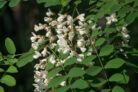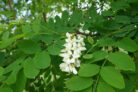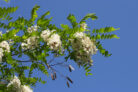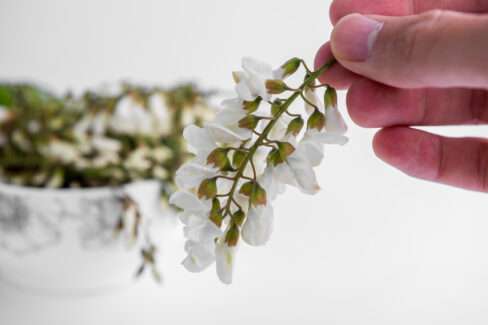
Most people know Black Locust trees (also called False Acacias) as those towering beauties that shade our backyards and parks. But here’s a pro tip: these fast-growing hardwoods actually make fantastic bonsai specimens if you know a few insider tricks!
Getting the Scale Right
Because Black Locusts have those long, elegant pinnate leaves, you don’t want to go too small with your design. To keep everything looking proportional and balanced, aim for a larger bonsai size—about three feet (one meter) tall is usually the sweet spot for a stunning silhouette.
Choosing Your Style
When it comes to shaping your tree, you’ve got some great options. Black Locusts look particularly striking when trained in these styles:
- Multi-trunk (clump style)
- Full cascade
- Semi-cascade
Pruning and Wiring Tips
If you want a tidy bonsai, regular pruning is your best friend. You can trim back any “rebel” branches that grow out of bounds pretty much anytime. However, save the heavy-duty structural pruning for the fall. The sap flow is lower then, which is easier on the tree. Also, keep an eye out for root suckers—snip those off at the base as soon as you see them to keep the energy focused on your main trunk.
To get those perfect curves, you can use bonsai wire. Just gently bend the branches into your desired shape and secure them. Just be sure to keep a close watch and remove the wire once the branch “sets” so it doesn’t scar the bark as the tree grows.
Daily Care and Maintenance
Just like their full-sized cousins, Black Locust bonsais crave a warm, sunny spot. They aren’t big fans of drafty hallways or windy corners, so try to keep them sheltered. When it comes to water, give them a drink whenever the soil feels dry to the touch, but make sure the pot drains well—nobody likes soggy roots! A little liquid bonsai fertilizer mixed into your watering routine will keep your tree vibrant and healthy.
While these trees are naturally hardy, remember that bonsai pots don’t offer much insulation. You’ll want to give your tree some extra protection during the winter to keep the roots from freezing solid.
Repotting and Root Pruning
Black Locusts are fast movers! You’ll likely need to repot yours every two to three years to give it fresh soil. This is also the perfect time for a root prune. Trim away any old, dry, or mushy roots, and give the healthy ones a light haircut too. This is the secret to keeping a vigorous grower like the Black Locust perfectly miniaturized for years to come.