If you notice your sensitive plant (Mimosa pudica) starting to sport yellow leaves that eventually drop off, it’s time to do a little detective work. Usually, it’s just a sign that something is off with its environment or routine, but occasionally, pests or diseases might be the culprits.
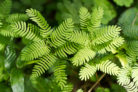
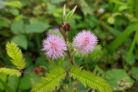
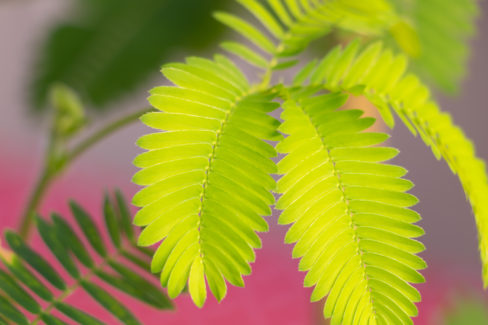
Healthy Mimosa plants have vibrant green leaves
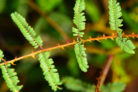
In their happy, natural state, Mimosa leaves are a beautiful green. They’re famous for that cool trick where they fold up when touched! If you see just one or two leaves turning yellow here and there, don’t panic—that’s often just the natural life cycle of the plant.
Common reasons for yellowing leaves
However, if your plant is losing a lot of leaves or they’re dropping off rapidly, it’s usually a red flag that something is wrong with its “home” or how it’s being cared for.
The most common culprits are:
- Too much direct sun or not enough light.
- Soil that is bone-dry or, conversely, waterlogged.
- A pesky spider mite infestation.
Location, location, location
Sensitive plants love a warm, bright spot. However, they aren’t fans of harsh, direct midday sun, which can scorch them. Aim for a sweet spot with temperatures between 65°F and 72°F (18-22°C). You can definitely move your Mimosa out to the balcony or patio during the summer, just make sure to acclimate it slowly to the outdoor light and weather so it doesn’t get “sunburned.”
Getting the watering right
Another big reason for yellow leaves is improper watering. These plants are a bit like Goldilocks—they don’t want to be bone-dry, but they hate sitting in a puddle. Try to keep the soil consistently moist and the humidity high. To prevent “wet feet” (root rot), make sure your pot has great drainage; a layer of gravel or clay pebbles at the bottom works wonders.
Dealing with spider mites
If you see yellowing along with tiny, delicate webs, you likely have spider mites. A quick pro tip: mist the plant with a little water, and those webs will become much easier to see. These pests usually show up when the air or soil is too dry. You’ll want to treat them quickly to keep them from spreading to your other leafy friends!