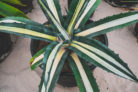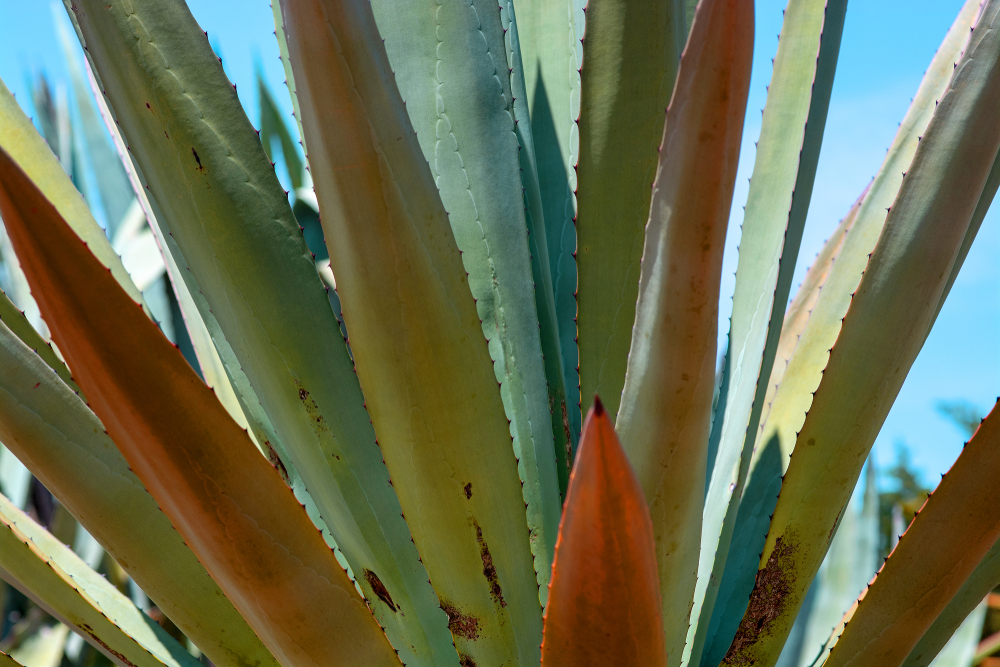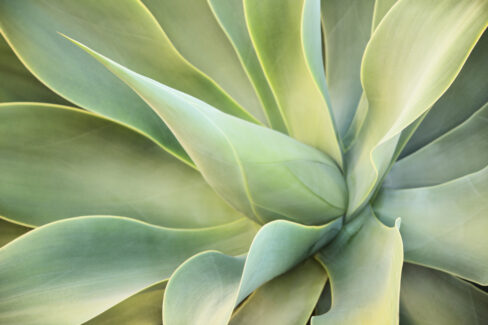
Agaves are classic succulents, which basically means they’re the camels of the plant world. They’ve evolved to store water in their leaves so they can breeze through long dry spells without breaking a sweat. However, if you get a little too enthusiastic with the watering can, those storage tanks overflow. The result? You’ll start seeing yellow leaves or yellowing tips.
Yellow Leaves: The Root of the Problem
Agaves thrive in arid conditions but absolutely hate having “wet feet.” Since they’re native to desert environments, they never really learned how to handle soggy soil. Like all succulents, they have a unique survival strategy: they store every drop of moisture they can find in their roots and thick leaves.
This allows them to survive in harsh steppes and deserts, but it also means that in our homes or gardens, they need gritty, well-draining soil. When a plant starts turning yellow, a lot of folks assume it’s thirsty because the topsoil looks bone-dry. But with agaves, it’s usually the exact opposite: yellow leaves are a major red flag for standing water at the roots. Reaching for the watering can right now would be the worst thing you could do!
Yellow Leaves: Tips & Tricks
If your agave is starting to look a bit jaundiced, you’ve got to move fast. If you wait too long, root rot sets in, and you could lose those gorgeous, architectural leaves entirely. To save your plant, follow these steps:
- First things first: get that agave out of the soggy soil and repot it as soon as possible!
- Gently shake or brush off all the wet dirt from the root system until they’re clean.
- Take a sharp, clean knife and trim away any roots that look mushy, brown, or rotten.
- Repot the plant into fresh, bone-dry soil—your best bet is a specialized succulent or cactus mix.
Pro Tip: To prevent future drainage issues, try mixing some lava rock, quartz sand, or pumice into your potting soil. It creates those air pockets that succulents love!
Preventing Yellow Leaves
To give your agave the best chance at a full recovery, do not water it immediately after repotting! Give it a “dry rest” for at least 2 to 3 weeks. During this time, the yellow leaves should start regaining their healthy green color. After a few weeks, use the “thumb test” (stick your finger deep into the soil) to see if it’s truly ready for a drink.
While your plant is recovering, the most you should do is give the leaves a light misting. Just a heads-up: agaves aren’t fans of hard tap water. They much prefer soft water, so if you can collect some rainwater, your agave will definitely thank you!