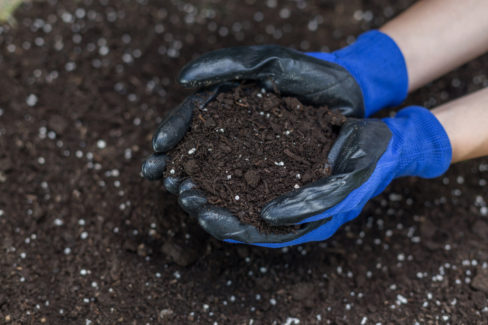
If you want your agave to really thrive, you’ve got to think about what’s going on underground. The soil your plant calls home is a huge deal! To keep these desert beauties happy, we want to mimic the rugged conditions of their native tropical homes. Here’s the lowdown on getting the dirt right:
The Right Soil Mix
Agaves hail from Central and North America, where they usually grow in nutrient-poor, desert-like conditions. This harsh environment is actually why they’re so good at storing water in those thick leaves. To keep them healthy in your own backyard or living room, you need a substrate that isn’t too “rich” and is packed with mineral components to help water filter through quickly.
Standard potting soil is usually designed to hold onto moisture for typical houseplants, which is exactly what an agave *doesn’t* want. Instead, look for a specialized cactus or succulent mix. One pro tip: make sure the mix is peat-free. Peat acts like a sponge, holding onto water and releasing it slowly, which can lead to soggy roots and a very unhappy agave.
DIY Agave Substrate
If you’re a DIY fan and want to skip the store-bought bags, you can easily whip up your own agave mix at home. A good rule of thumb is to mix about 60% standard potting soil with about 40% “mineral additives.” For that mineral punch, you can use things like:
- Scoria (coarse volcanic rock)
- Lava granulate
- Pumice
- Quartz sand
These porous materials (whether you use granules or perlite) help aerate the soil and give it that crumbly texture agaves love. Plus, these minerals help manage the nutrients and moisture from the soil. The best part? This structure allows excess water to drain away fast so it doesn’t sit around the roots.
Say No to Standing Water
If you’re planning on keeping your agave outdoors year-round, try planting it at a slight angle. This little trick helps prevent water from pooling in the center of the plant. If you’re growing your succulent in a pot or planter, always start with a drainage layer. Toss about two inches of coarse gravel or broken terracotta shards at the bottom before adding your soil. This acts as a buffer to keep the exit holes clear. Speaking of holes—always make sure your pot has plenty of drainage at the bottom so your agave never has “wet feet!”