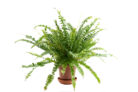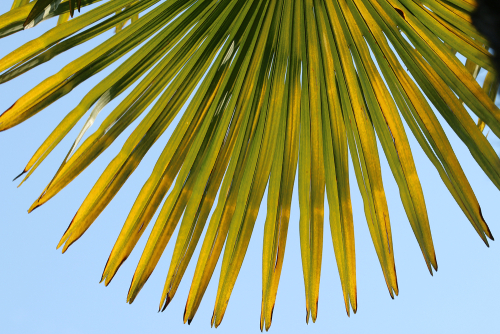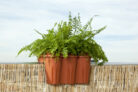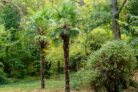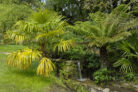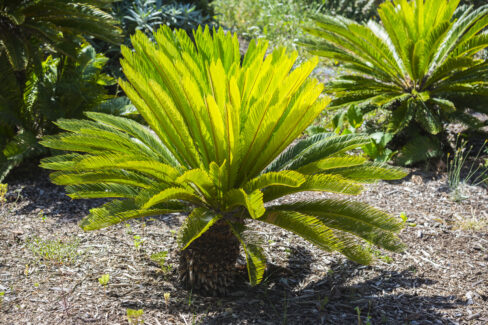
The Sago Palm originally hails from tropical regions, so it’s no surprise it can struggle a bit with cooler climates. On the bright side, as long as it stays warm enough, this plant is incredibly low-maintenance. However, you might occasionally notice those beautiful green fronds starting to turn yellow. If that happens, don’t panic! You just need to act fast, and there’s a great chance your plant will bounce back.
Common Culprits for Yellowing Fronds
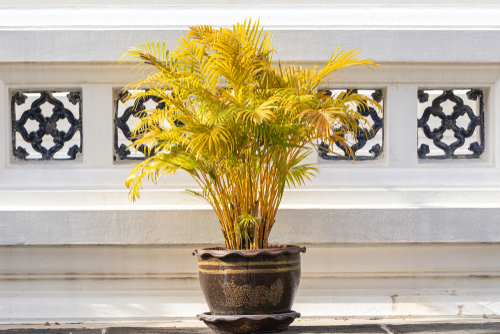
You might not notice it at first, but once those leaves start fading from green to yellow, it becomes pretty hard to ignore. Usually, when a Sago Palm starts looking a little “sunny” in the wrong way, it boils down to two main issues:
- Too much water
- Too much fertilizer
Mastering the Watering Game
Getting the moisture levels just right is always a bit of a balancing act with ferns and cycads, and the Sago Palm is no exception. If it gets too dry, it withers; if it sits in soggy soil, it develops root rot. Yellow fronds are the plant’s way of screaming, “I’m drowning!” If you see this happening, stop watering immediately. It’s often a good idea to repot your Sago Palm at this stage. When you do, make sure to add a drainage layer of fine gravel at the bottom of the pot and mix some sand into your potting soil to help that water flow through more easily.
Fertilizing the Right Way
Believe it or not, you can actually have too much of a good thing. While Sago Palms appreciate nutrient-rich soil, over-fertilizing can lead to those dreaded yellow leaves. If your plant is struggling, hit the pause button on the fertilizer along with the water. In general, you want to be pretty conservative with feeding. A good rule of thumb is to use a liquid fertilizer once a month during the growing season, but only use about half the dosage recommended on the bottle. Your plant will thank you for the “less is more” approach!