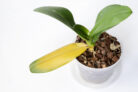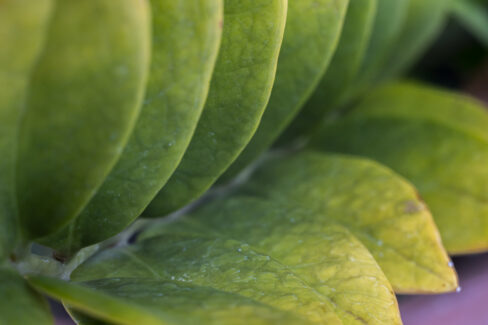
The lush, glossy green leaves of the *Zamioculcas zamiifolia* (most of us just call it the ZZ plant) are usually its pride and joy. But sometimes, those leaves start turning yellow, which can be a real bummer. There are a few different reasons why this happens—let’s dive into what’s going on and how you can fix it.
The Usual Suspects Behind Yellow Leaves
If your ZZ plant is sporting more yellow than green lately, it’s usually a sign that something is off with its care routine. While overwatering is the most common culprit, yellow leaves can also be caused by:
- A pest infestation
- Root damage during repotting
The #1 Culprit: Too Much Love (Overwatering)
By far, the most common reason for yellowing leaves is overwatering. These hardy succulents are native to dry regions and are experts at storing water in their leaves for a rainy day—literally. Because they’re so good at hoarding moisture, they only need to be watered very sparingly in our homes.
When you water too often, the soil stays soggy, leading to root rot. Once the roots start rotting, they can’t send water or nutrients to the rest of the plant. The result? Leaves turn yellow or brown, dry out, and eventually drop off. If this is happening, your best bet is to repot your ZZ plant into fresh, dry soil and hold off on watering for a few days to let things settle.
Uninvited Guests: Spider Mites
Spider mites (including the dreaded red spider mite) can also cause yellowing. These pests love to target plants that are already feeling a bit stressed or weakened. You’ll usually notice tiny yellow or brown speckles on the leaves first, which can spread quickly. If a leaf turns completely yellow, the plant will eventually shed it.
Root Damage from Repotting
If you’ve ruled out watering issues and pests, the problem might be “moving day” stress. Sometimes, when repotting, the roots get accidentally bruised or broken. This can temporarily disrupt the plant’s ability to soak up water and nutrients. The good news? In most cases, the roots and the rest of the plant will bounce back on their own once they’ve had some time to adjust to their new home.