If you’re noticing yellow leaves on your kale, don’t panic—but don’t ignore them either! Yellowing isn’t exactly “normal” for these hardy greens, and it’s usually a sign that your plant is trying to tell you something is off. Depending on what’s going on, there are a few different ways to fix it. Here’s the lowdown on why your kale might be losing its vibrant green color and how to get it back on track.
Causes for Yellow Leaves and How to Fix Them
First things first: yellow leaves are a red flag. They always point to some kind of underlying stress. Usually, it boils down to one of these four culprits:
- Nutrient deficiency
- Not enough water (under-watering)
- Too much water (waterlogging)
- Pest infestations
To save your harvest, you’ll need to do a little detective work to find the root cause. If the soil feels bone-dry, your kale is likely just thirsty—so give it a good soak! On the flip side, if the soil is swampy, you might be over-watering, or maybe a heavy rainstorm left things a bit too soggy. In that case, gently loosen the soil around the plants to help it breathe and drain. Mixing in a little sand can also do wonders for improving drainage.
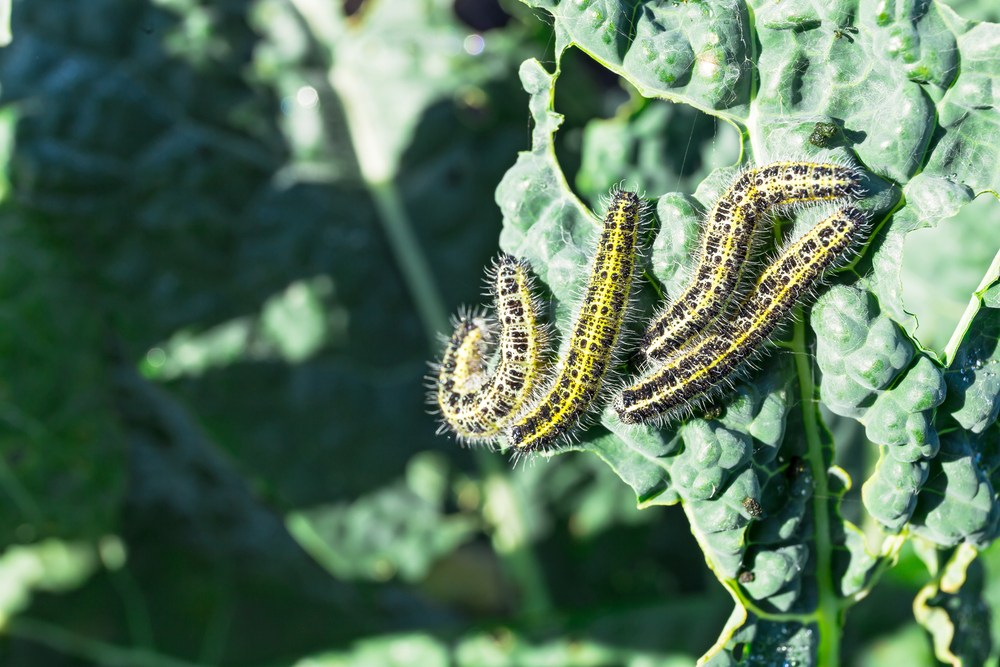
Did you spot some creepy crawlies on your plants? If pests are the problem, you’ve got to act fast. You can check out this article to identify which bugs are crashing your garden party and how to get rid of them.
If it’s not a water or pest issue, you’re likely looking at a nutrient deficiency. Kale is a hungry plant! To give it a boost, try adding some organic fertilizer like compost or horn meal to the soil. Your kale will thank you for the extra snack!