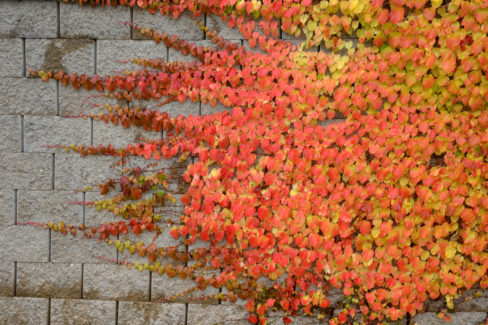
Since ivy is an evergreen and not a deciduous tree, seeing it turn yellow can be a bit of a head-scratcher. Why is it losing its lush green look? While a little bit of yellowing is actually part of its natural life cycle, anything more than that is usually a cry for help. Let’s play detective and figure out how to get your ivy back in tip-top shape.
It’s All About the Quantity
Even evergreen ivy (scientifically known as *Hedera*) needs to refresh its wardrobe every now and then. Old leaves will naturally turn yellow and fall off. Usually, fresh new growth in the spring more than makes up for the loss, keeping the vine looking thick and full.
Sometimes, though, that new growth is so vigorous that it completely shades out the older vines underneath. Without enough light, those hidden leaves can’t survive—they’ll turn yellow and drop. To prevent this, give your ivy a thinning prune once a year between July and August to let the light peek through.
The Watering Balancing Act
Ivy is a bit like Goldilocks when it comes to water: too little, and it turns yellow; too much, and it *also* turns yellow. Finding that “just right” middle ground is key. Here’s how to keep the water balance in check:
- Never let the root ball dry out completely.
- Water as soon as the top layer of soil feels dry to the touch.
- On scorching summer days, check your plants more often (even the ones in the ground!).
- Adjust your watering to prevent “wet feet” (waterlogging).
- Always use well-draining soil and a layer of drainage material (like pebbles) at the bottom of pots.
- Make sure pots have drainage holes—if they don’t, it’s time for a new container.
- Always empty excess water from the saucer after watering.
Pro Tip:
If your ivy is planted in a low spot in the garden where rainwater pools, try building a small soil berm to divert the water. If your ivy is in a sunny spot, spread a thick layer of mulch over the roots to keep the soil from drying out too fast.
Nutrient Deficiencies (The Rare Culprit)
While many plants turn yellow when they’re “hungry,” outdoor ivy is actually pretty low-maintenance. Most of the time, it doesn’t even need fertilizer. However, if your soil is very poor or the ivy has been in the same spot for years, it might appreciate a little compost every now and then to perk it up.
Pests and Infestations
Indoor ivy is much more prone to pests, especially when the air gets dry from the heater. If you notice yellow or brown leaves, take a closer look immediately. Tiny webs are a dead giveaway for spider mites, and you might occasionally spot aphids or scale as well.
To save your ivy, grab your garden shears and prune away the infested sections right away. You can also treat the plant with natural remedies like insecticidal soap or a neem oil solution. To prevent future issues, move the plant away from heat vents and try to boost the humidity in the room.