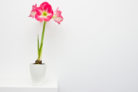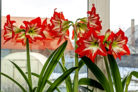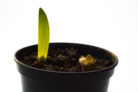
The subtropical Amaryllis (or *Hippeastrum*) has a pretty unique growth cycle. Since it’s a perennial, it needs a dedicated “nap time” to bloom year after year. Think of this dormant phase as the plant recharging its batteries for that next big floral show. If you want to keep your bulbs happy and healthy, here’s the lowdown on how to store them properly during their rest period.
Getting Your Bulbs Ready for Nap Time
Even though your Amaryllis won’t officially move into its winter quarters until September, you’ll want to start prepping in the summer. Here’s how to get those bulbs ready for their beauty sleep:
- Starting in July, begin cutting back on the water.
- By August, let the potting soil dry out completely.
- Stop all fertilizing by the end of August.
Prepping the Plant for Winter
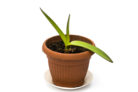
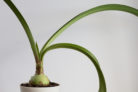
If your Amaryllis treated you to a summer bloom, go ahead and trim off any wilted petals and the main flower stalk. However, leave those long green leaves alone! Your plant needs them to soak up energy for the next round of flowers.
How to Store Your Amaryllis Bulbs Properly
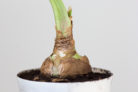
By late September, those leaves should be withered. Carefully snip them off with a sharp pair of scissors. Next, move your Amaryllis to a cool, dark spot—a basement is usually perfect. You’re aiming for temperatures around 50°F (10°C). This dormant phase lasts until November, and the best part? Your plant doesn’t need a drop of water or any attention at all during this time.
Expert Tips for Storing Garden Amaryllis
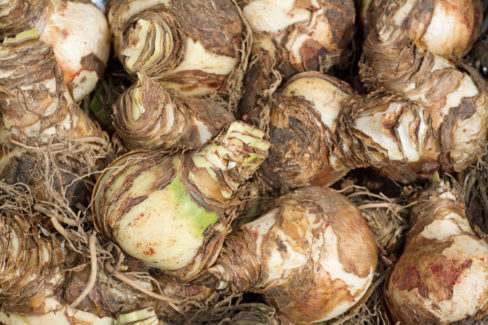
Keep in mind that garden varieties aren’t winter-hardy either. You absolutely have to dig the bulbs up before the first frost hits. If temperatures drop below freezing, these summer beauties won’t make it. Once they’re out of the ground, trim off the dead foliage, gently clean the soil off the bulbs, and find them a cool, dark home.
You’ve got three great options for storage:
- 1. Lay the bulbs out side-by-side on a ventilated shelf or wire rack. Just make sure they aren’t touching each other.
- 2. Alternatively, fill a box with sand and tuck the bulbs inside.
- 3. You can also wrap each individual bulb in several layers of paper (like newspaper) and keep them on a shelf or in a cabinet.
While the indoor Amaryllis finishes its nap in November, you’ll want to keep your garden bulbs tucked away in the basement until April.
A Quick Warning About Gases
Here’s a pro tip: never store your bulbs near ripening fruits or veggies. Things like pears, melons, and tomatoes release ethylene gas as they ripen. If your sensitive bulbs get a whiff of that gas, it can trigger them to sprout way too early!