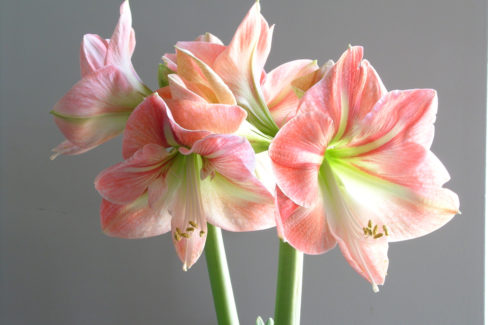
Ever wonder why some plants thrive while others struggle? As a gardener, I’ve learned that the secret usually lies in a plant’s “home address.” Knowing where a species originally comes from gives us all the clues we need to keep it happy and healthy. Today, we’re diving into the origins of the Amaryllis and how you can recreate a slice of South America right in your living room.
Straight from the Andes
Those show-stopping Amaryllis varieties that brighten up our homes during the dreary winter months mostly descend from the wild *Hippeastrum vittatum*. There are actually over 100 different species in this family, and they all hail from South America—specifically the subtropical regions like the Peruvian Andes and parts of Southern and Central Brazil.
Built for the Subtropics
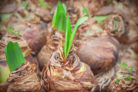
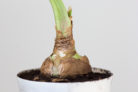
The Amaryllis is a bit of a survival expert. It developed that signature thick bulb as a storage organ to get through the dry season in its native habitat. In the wild, these plants are used to mild temperatures and a distinct rhythm: a rainy growing season followed by a dry period where they can rest and recharge.
Syncing Up with the Growth Cycle
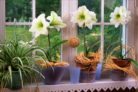
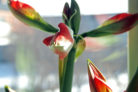
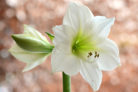
To grow a stunning Amaryllis here at home, you have to play by its rules and respect its natural cycle. Even though it feels “backward” to us, its blooming phase happens during the winter. That’s exactly why it’s such a superstar for holiday decorating!
To get those big, bold blooms year after year, here’s the routine you should follow:
- Timing is everything: Aim to plant your bulb in November. You’ll usually see flowers about 6 to 8 weeks later.
- Keep it cozy: While it’s blooming, find a bright, warm spot (around 70°F is the sweet spot).
- Feed and water: Keep up with regular watering and fertilizing through the end of July.
- Summer vacation: During the summer growth phase, your Amaryllis will love a trip outdoors. A sunny balcony or patio is perfect.
- The big sleep: Starting in August, gradually stop watering and feeding.
- Rest and recharge: Your plant needs about 6 to 8 weeks of “me time” to regenerate. A cool, dark basement is the ideal spa for this phase.
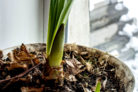
- The comeback: In November, bring it out of the basement, repot it in fresh soil, and start the cycle over again.
If you stick to this natural rhythm, your Amaryllis will be a perennial favorite in your home for years to come.
Don’t Skimp on the Soil
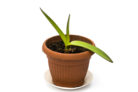
When it comes to dirt, the Amaryllis can be a little picky. Remember those Peruvian roots! In the Andes, the soil is very well-draining and packed with minerals. To keep your plant’s roots from getting “soggy feet,” I recommend using a high-quality mix of standard potting soil blended with cactus soil. It provides the perfect balance of nutrients and drainage.