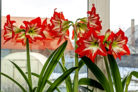
When you’re getting ready to plant an Amaryllis (also known as Hippeastrum), it helps to keep its subtropical roots in mind. These beauties actually hail from the mild, dry regions of South America. While we usually associate their stunning blooms with the Christmas season here in the States, getting those holiday flowers depends entirely on timing. Here’s the lowdown on how to get your bulb off to a great start.
Planting Your Amaryllis the Right Way
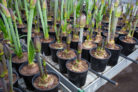
Since these plants are pretty sensitive to frost, those of us in cooler climates need to keep them as houseplants. You’ll want to tuck your bulb into a nutrient-rich potting mix. A 50/50 blend of standard potting soil and cactus mix works wonders, or you can mix in a little Seramis or perlite for extra aeration. Before you add the soil, make sure to put a layer of clay pebbles (LECA) at the bottom of the pot for drainage. This is a game-changer because it prevents standing water. If the roots sit in soggy soil, the bulb will rot, and unfortunately, there’s no coming back from that!
Timing is Everything: How to Get Christmas Blooms
As long as you keep your bulb in a cool, dark spot, it’ll stay dormant. It only starts waking up once it hits a bright room with cozy indoor temperatures. From the moment you “wake it up,” it usually takes about 8 weeks for those spectacular flowers to take center stage.
Here’s a quick cheat sheet for your calendar:
- Plant in late September if you want blooms during Advent.
- Plant in November to ensure those elegant flowers arrive right around Christmas.
- Plant in January for a beautiful burst of spring color.
Keep in mind that the warmer the room, the faster those buds will pop. If your home stays around 68–72°F and you give your Amaryllis a little TLC, it should follow this schedule like clockwork.
Give the Bulb Some Breathing Room
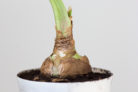
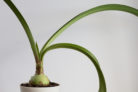
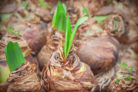
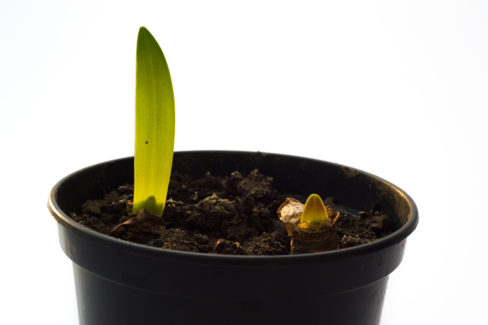
Besides getting the timing and soil right, your Amaryllis bulb needs a little “air.” When you place it in the pot, make sure the pointy end is facing up. Here’s the trick: don’t bury the whole thing! Leave the top half of the bulb sticking out above the soil line.
One Last Pro Tip
If you plant your Amaryllis in the early fall, you might even get a second show in the summer! Once the first round of flowers fades, snip off the withered petals and the yellowed stem. Give the plant a “reset” by moving it to a cool, dark place for about 8 weeks—no water, no fertilizer. With a little luck, your Ritterstern will wake up for a second encore!