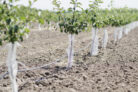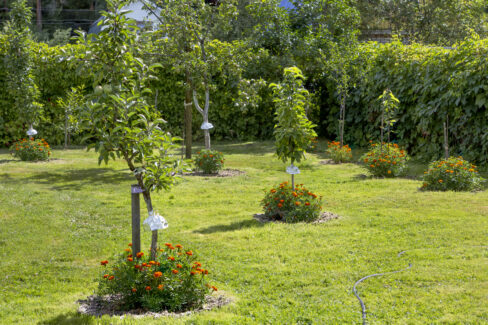
As a backyard gardener, it’s totally normal to run into a few head-scratchers now and then. We all love swapping tips over the garden fence, but sometimes you’ll get three different answers from three different neighbors! One topic that always sparks a bit of a debate is whether or not you should plant anything directly under your fruit trees.
Green Manure: More Than Just a Groundcover
When we talk about “green manure” in the context of underplanting, it’s not fertilizing in the traditional sense. Instead, it’s all about growing specific plants to keep the soil covered and healthy. That said, it definitely has a fertilizing effect! These plants release nutrients through their roots, making the soil much richer for your trees.
Green Manure Plants Wear Many Hats
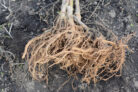
Different plants do different jobs. For example, legumes like lupines or peas are absolute rockstars—they actually grab nitrogen from the air and “fix” it into the soil. Other green manure plants add organic matter to the earth, giving all those helpful soil microbes exactly what they need to build up rich, dark humus over time.
What to Plant Under Your Apple Trees
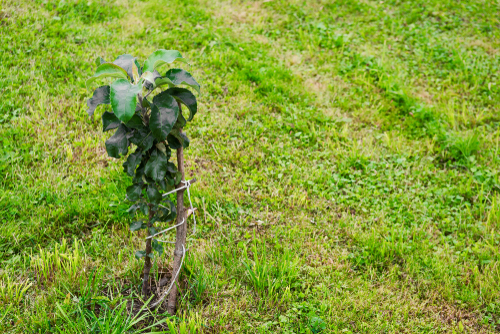
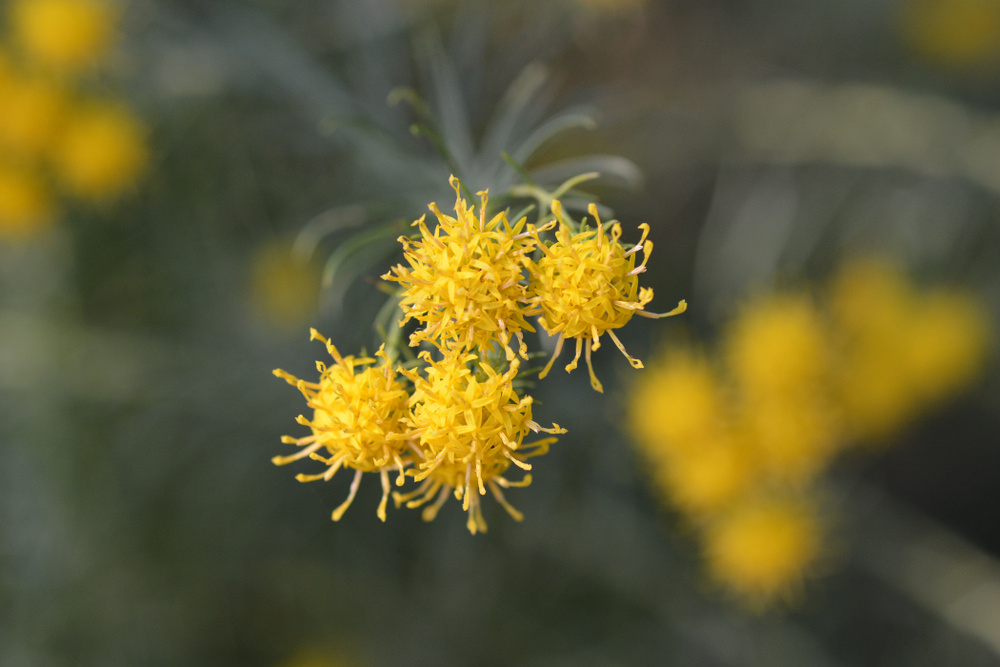
If you’re looking for the perfect companions for the area under your apple trees (or even your berry bushes), green manure mixes or Persian clover are fantastic choices. If you want a splash of color, marigolds and nasturtiums are also great neighbors. Just a quick heads-up: since apple trees are shallow-rooted, you’ll want to avoid planting anything with super deep, aggressive roots that might compete for space.
Persian Clover
Persian clover is a personal favorite because it’s a bee magnet and stays at a manageable height of about 12 inches. You can sow the seeds anytime from April through August. The best part? It’s a “self-terminating” plant, meaning it will naturally die back in the winter frost. Plus, it has a lovely honey-like scent that makes spending time in the orchard even better.
Why Green Manure is a Game Changer
- It acts like a natural shield, protecting your soil from heavy rain and the scorching summer sun that can dry everything out.
- These plants help the soil retain moisture, meaning less watering for you!
- As the roots grow, they break up the soil, improving its structure and releasing vital nutrients.
- Many of these varieties are a feast for bees and other beneficial insects.
- Overwintering plants act like a safety net, preventing precious nutrients from being washed away by winter rains.