Roots are how our plants soak up all that essential water and nutrients from the soil, but not every plant goes about it the same way. Some, like citrus trees, are “deep-rooters” that dive deep into the earth to find moisture. Then you have shallow-rooters, which have a totally different strategy for staying hydrated.
The Apple Tree: A Classic Shallow-Rooter
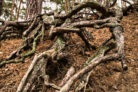
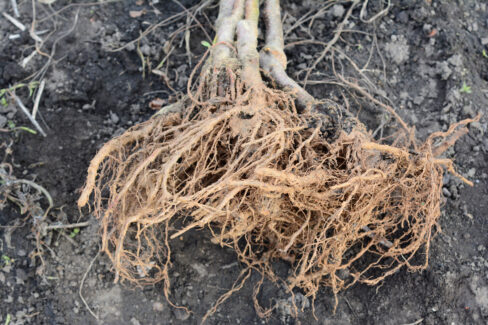
In the gardening world, root systems aren’t always black and white; there’s often a bit of overlap. However, the apple tree is a textbook example of a shallow-rooter. Instead of digging deep, its roots spread out like a wide net just below the surface. Whether it’s berry bushes, plum trees, or apple trees, these plants are designed to catch rainwater as it trickles down before it has a chance to sink too deep into the ground.
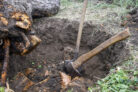
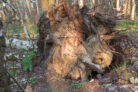
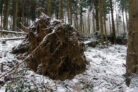
One thing to keep in mind is that shallow-rooters don’t always have the best grip, especially in sandy soil. This means an apple tree is more likely to be uprooted during a nasty storm compared to a tree with deep taproots. That’s why I always recommend staking your apple tree for the first few years to give it that extra support it needs.
Watering Tips You Need to Know
Because their roots stay near the surface, shallow-rooting trees get thirsty much faster than deep-rooters. With our summers getting hotter and dry spells lasting longer, these trees really depend on us for extra water. They simply can’t reach the deep groundwater that other trees rely on.
It usually takes about three to four years for a young apple tree’s root system to mature enough to handle things on its own. After that, you’ll generally only need to step in with extra watering during those really intense heatwaves.
Giving Them a Boost
If you’re growing apple trees in pots or containers, you’ve got to stay on top of a regular watering schedule. For young trees planted out in the yard, I suggest giving them about 3 to 5 gallons (10–20 liters) of water each time you pull out the hose to make sure they’re properly hydrated.
Choose Your Planting Neighbors Wisely
When you’re planting an apple tree in your garden, take a look at what’s growing nearby. Since those roots stay shallow and spread wide, they’ll be competing for nutrients with anything else planted right under the tree’s canopy. To keep your tree happy, try to avoid planting heavy feeders in that immediate root zone!