The lines between different root systems can be a bit blurry, so it’s not always easy to pin them down exactly. But when it comes to the apple tree, we’re looking at a classic shallow-rooted species. Here is the lowdown on what’s happening beneath the soil.
Characteristics of a Shallow Root System
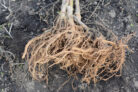
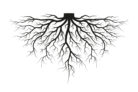
As the name suggests, shallow-rooted trees develop their root systems in the upper layers of the soil. Think of it like a wide disc spreading out horizontally from the trunk. Because these roots don’t dive deep, trees planted in sandy soil can sometimes lose their footing during a nasty storm or high winds. That’s why I always recommend using a support stake to keep them steady.
Choosing Neighbors for Your Apple Tree
If you’re planning to add an apple tree to your backyard, you’ll want to be mindful of what’s growing nearby. Since those roots stay close to the surface, they’ll be competing for nutrients with any plants living directly under the “root zone” (the area under the canopy).
Shallow Roots Need Extra Love During Dry Spells
With our summers getting hotter and dry spells lasting longer, shallow-rooted trees—especially young ones—often need a little help with extra watering. Unlike deep-rooted trees, they can’t reach the groundwater far below the surface. After about three or four years, a young tree’s roots are usually established enough to handle things on their own, unless it’s a total heatwave. However, if you have very light, sandy soil, you’ll want to keep that watering can handy even for older trees.
How Much Water is Enough?
I usually recommend about 3 to 5 gallons (10 to 20 liters) per tree each time you water. It’s actually better to give them a good, deep soak less often than a tiny sprinkle every day. A heavy watering ensures the moisture actually reaches the roots and encourages them to grow stronger.
Can You Transplant an Apple Tree and Its Root Ball?
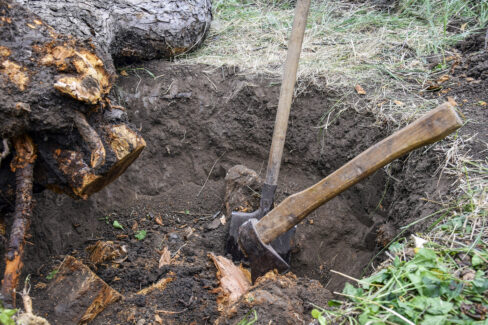
If you find yourself needing to move your apple tree, preparation is key—especially for older trees. Before you start digging it up, you should carefully “prune” the roots in the ground with a spade. Make sure the radius of your cut matches the size of the tree. This encourages the tree to grow new, fine feeder roots. Ideally, you’d do this a year before the actual move. For very old trees, this process can even take a few years. Just remember: always handle the root system with care. It’s the lifeline of your tree!