While your orchard doesn’t need quite as much “food” as a hungry vegetable garden, you definitely shouldn’t leave your apple trees to fend for themselves. The secret to a bumper crop of juicy apples starts right at the roots!
Green Manure: A Spa Treatment for Your Soil
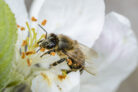
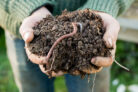
Think of compost, mulch, and green manure as the ultimate trio for building rich, healthy soil. “Green manuring” is just a fancy way of saying you’re planting specific companions under your tree to improve the dirt. You can sow seeds for fast-growing, leafy plants like nasturtiums or lemon balm right under your apple tree. Not only do these look great, but their flowers attract bees and bumblebees, which helps with pollination. Once these plants die back, they rot down into the soil, adding organic matter and waking up all those beneficial soil microbes.
Feeding with Fresh Compost
A great time to give your fruit trees a boost is right after the harvest. Spreading fresh compost helps the tree set its flower buds for the following year. Just a heads-up: try to wrap up your fertilizing by mid-August. If you feed them too late in the season, the tree will keep producing tender new growth that won’t have time to “harden off” before winter, making it an easy target for frost damage.
Spring Training: Compost and Manure
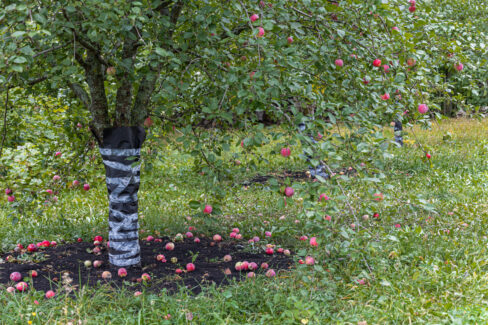
Come March or May, your apple tree is ready for a jumpstart. Try working a mix of compost and well-rotted manure into the soil around the base of the tree (the “tree circle”). If you can’t get your hands on manure, don’t sweat it—just mix some organic all-purpose fertilizer into your compost. If you want to give the fruit production an extra nudge, you can apply a liquid plant feed or a quick-acting organic fertilizer after the blossoms drop or just before the fruit starts to size up.
Spotting Trouble: Is Your Tree Hungry?
Healthy trees are like healthy people—they fight off diseases much better! To stay strong, your tree needs a balanced diet of nitrogen, potassium, phosphorus, and trace minerals. If your soil pH is out of whack, the tree might struggle to “eat” those nutrients, so a soil amendment might be necessary. Don’t forget that regular pruning and thinning out the fruit are just as important as feeding; it keeps the air flowing and prevents diseases from moving in.
Other Organic Goodies
Beyond compost and manure, you’ve got great options like rock dust and horn meal. Horn meal (or horn shavings) is a fantastic slow-release source of nitrogen. Rock dust, made from ground-up minerals, is like a multivitamin for your garden—it’s packed with trace elements that are essential for healthy growth. You only need a little bit of these trace minerals, but they make a huge difference in the long run.
Your Organic Fertilizer Cheat Sheet
Keep in mind that organic fertilizers take a little time to break down, so they work slower than the synthetic stuff—but they’re much better for your soil’s health! Common organic options include:
- Garden compost
- Animal manure (horse, cow, chicken, etc.)
- Rock dust/Stone meal
- Horn meal or blood meal
Pro Tips for Fertilizing
- Timing is everything: Apply your fertilizer on a cloudy day rather than in the scorching sun, and always make sure the soil is already moist.
- Fall vs. Spring: You can spread potassium, lime, or other nitrogen-free mineral fertilizers in either the fall or spring.
- Nitrogen needs: Save the nitrogen-heavy stuff (like horn meal or complete organic fertilizers) for the spring so the tree can use it during its big growth spurt.