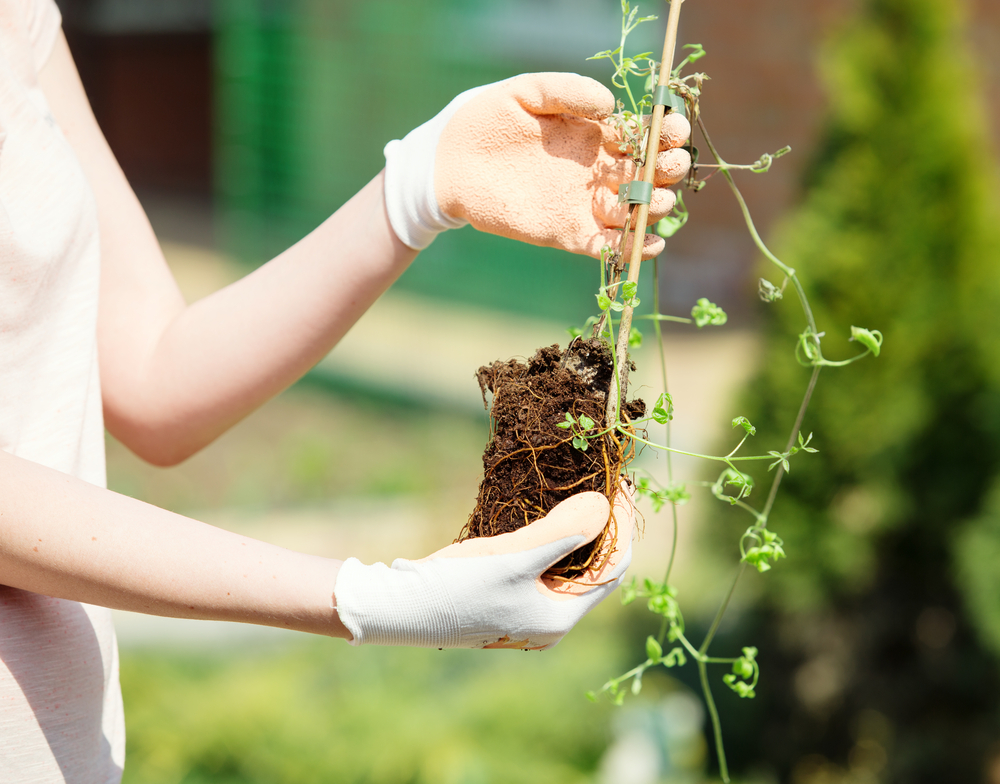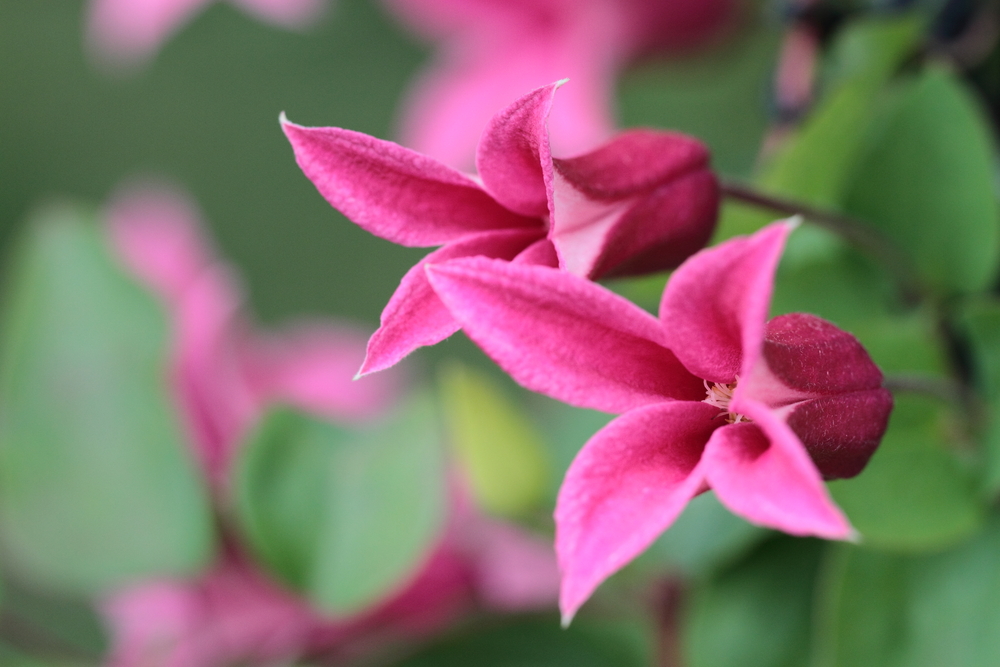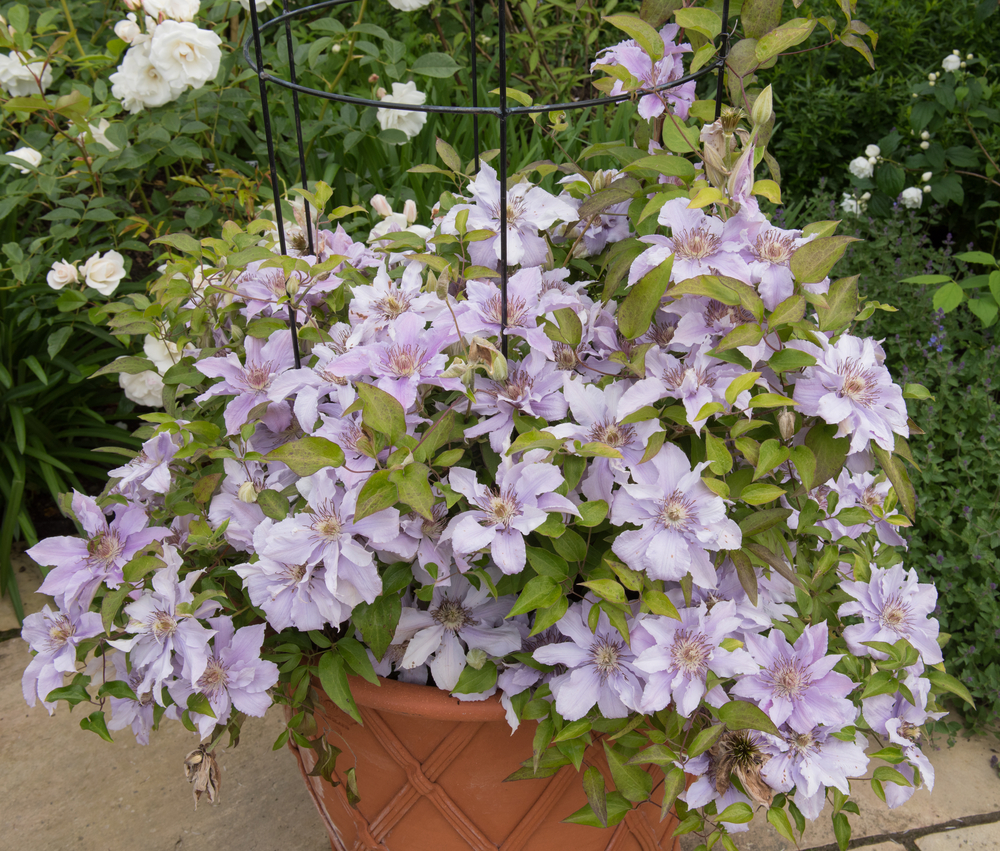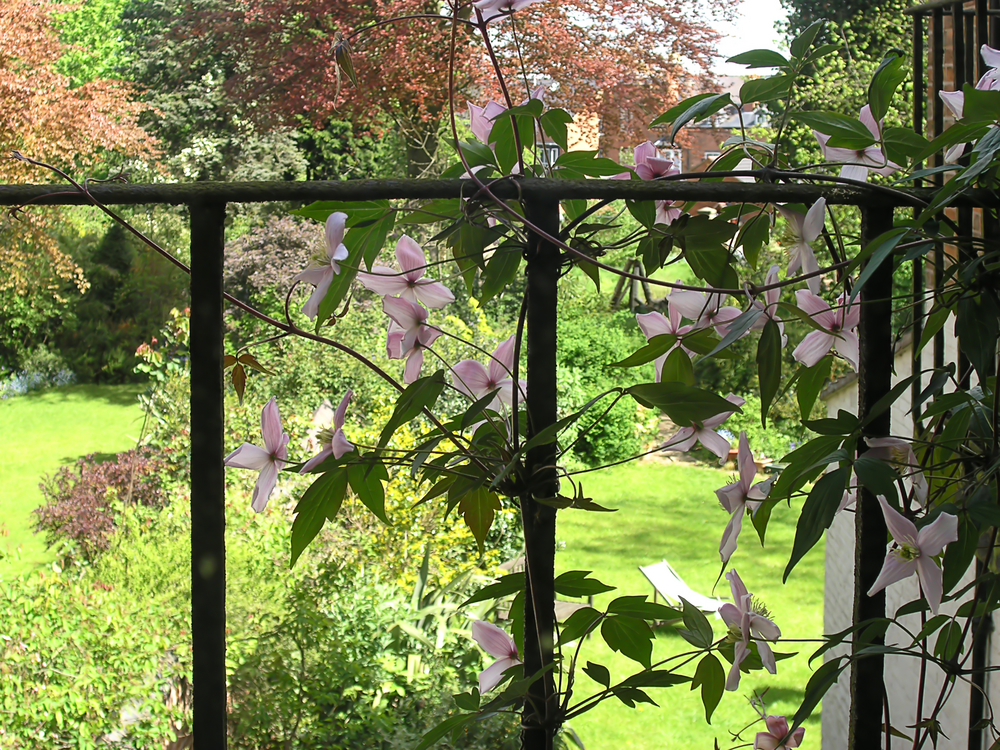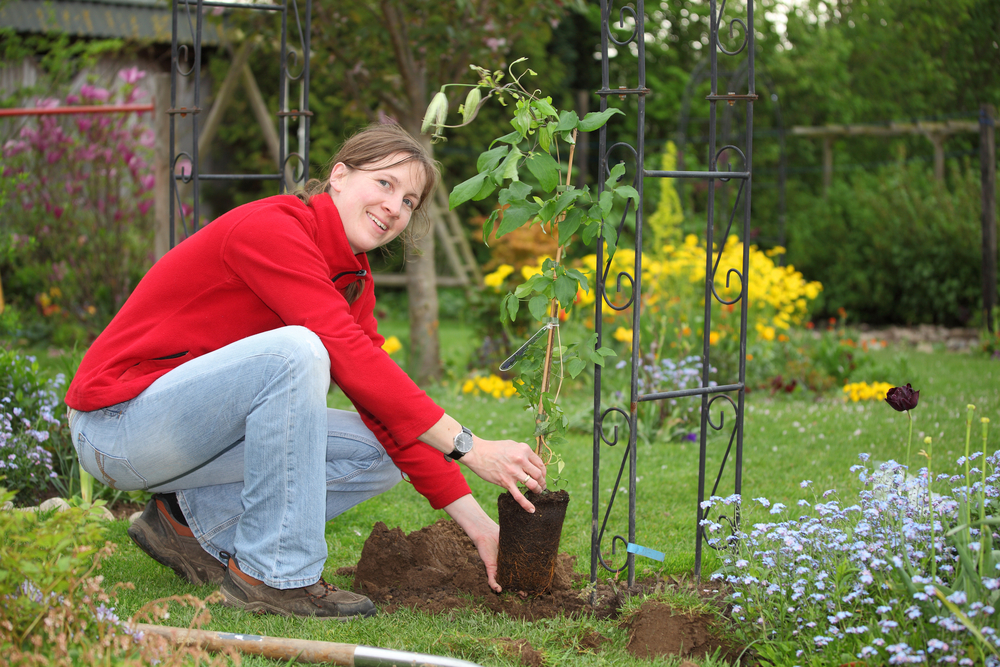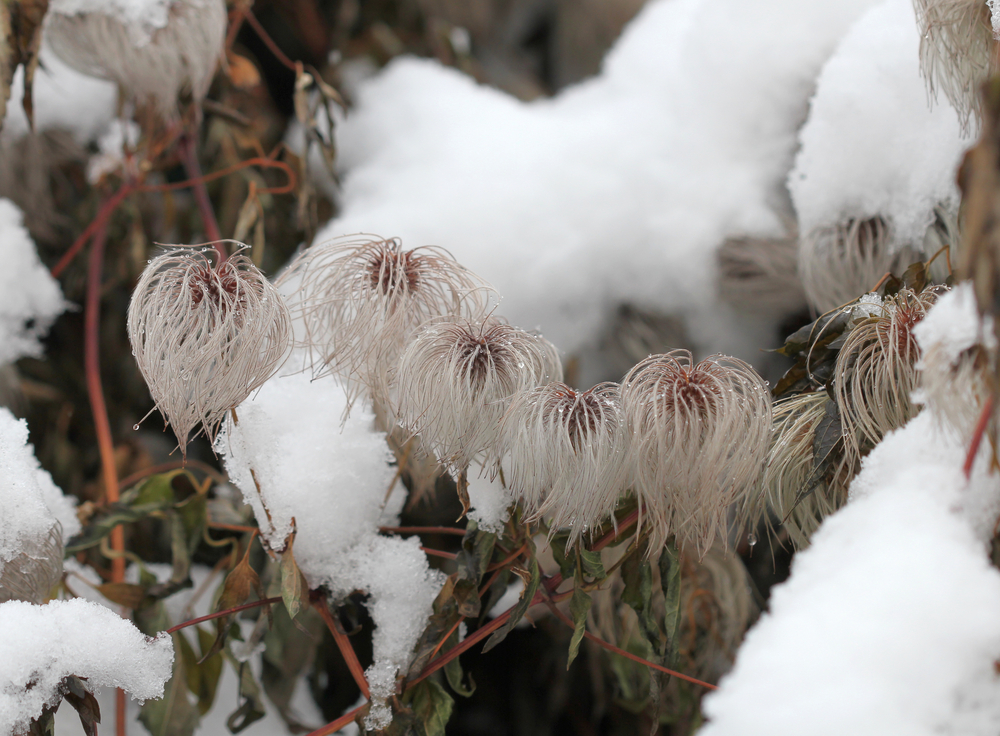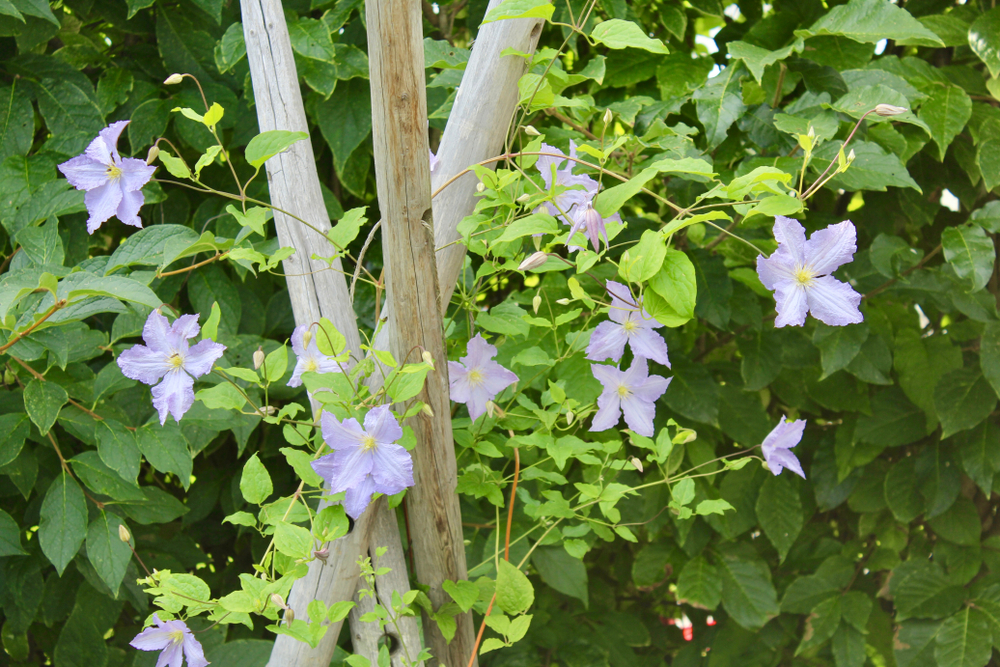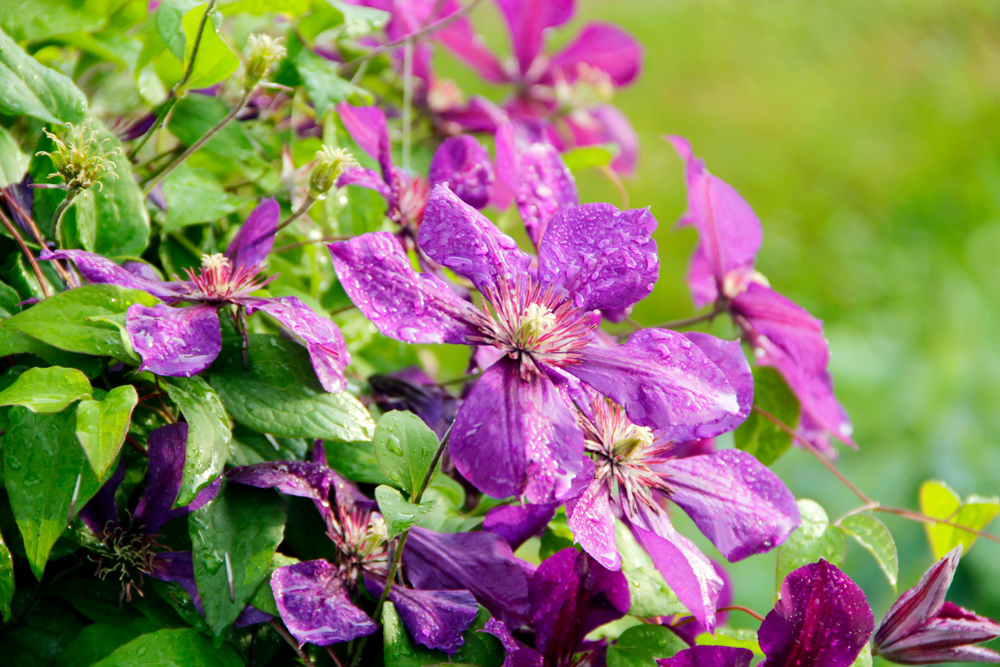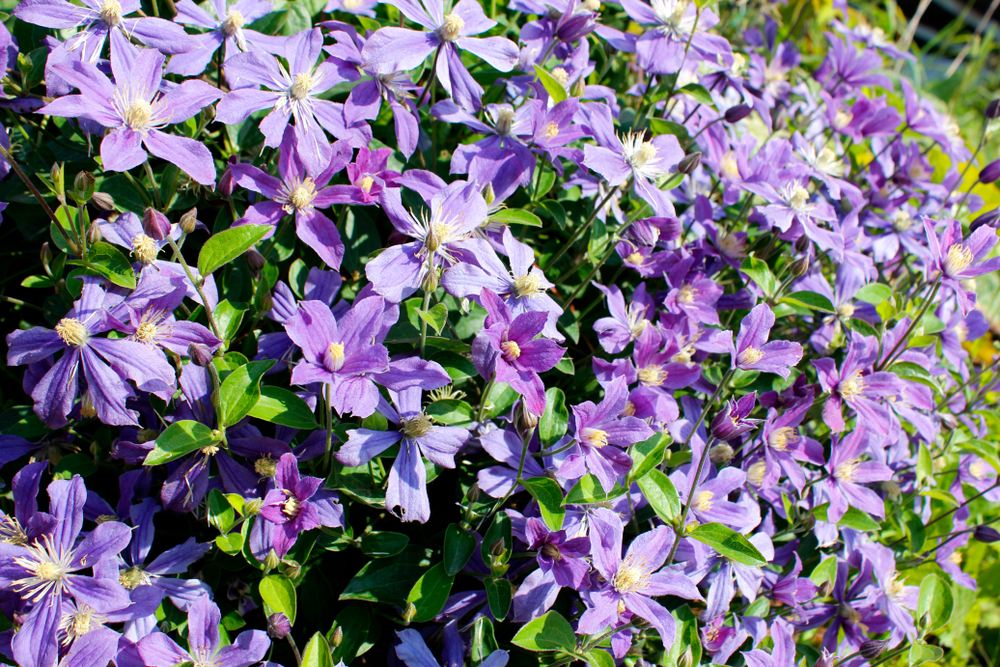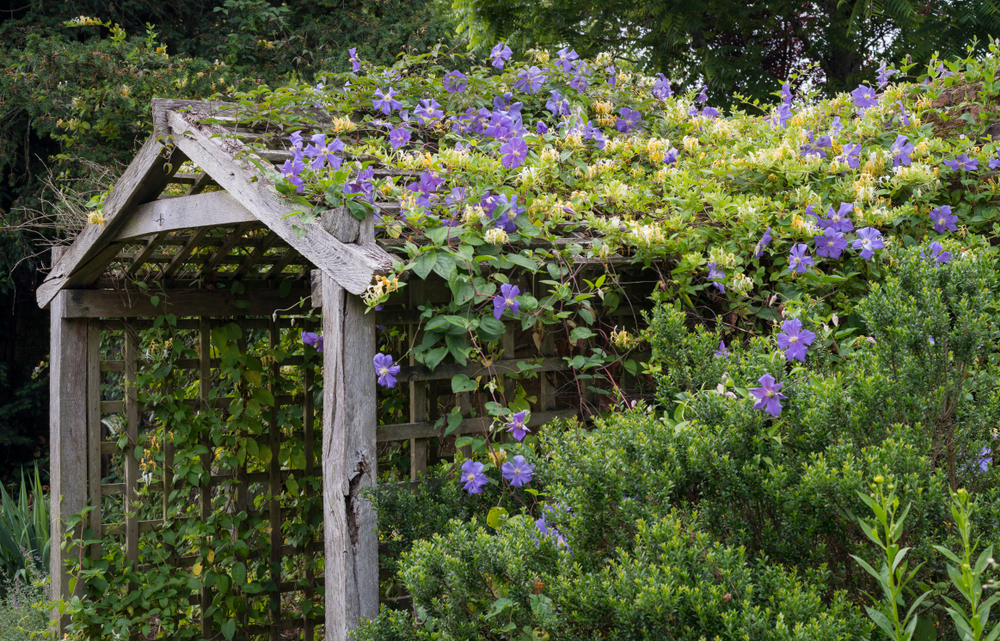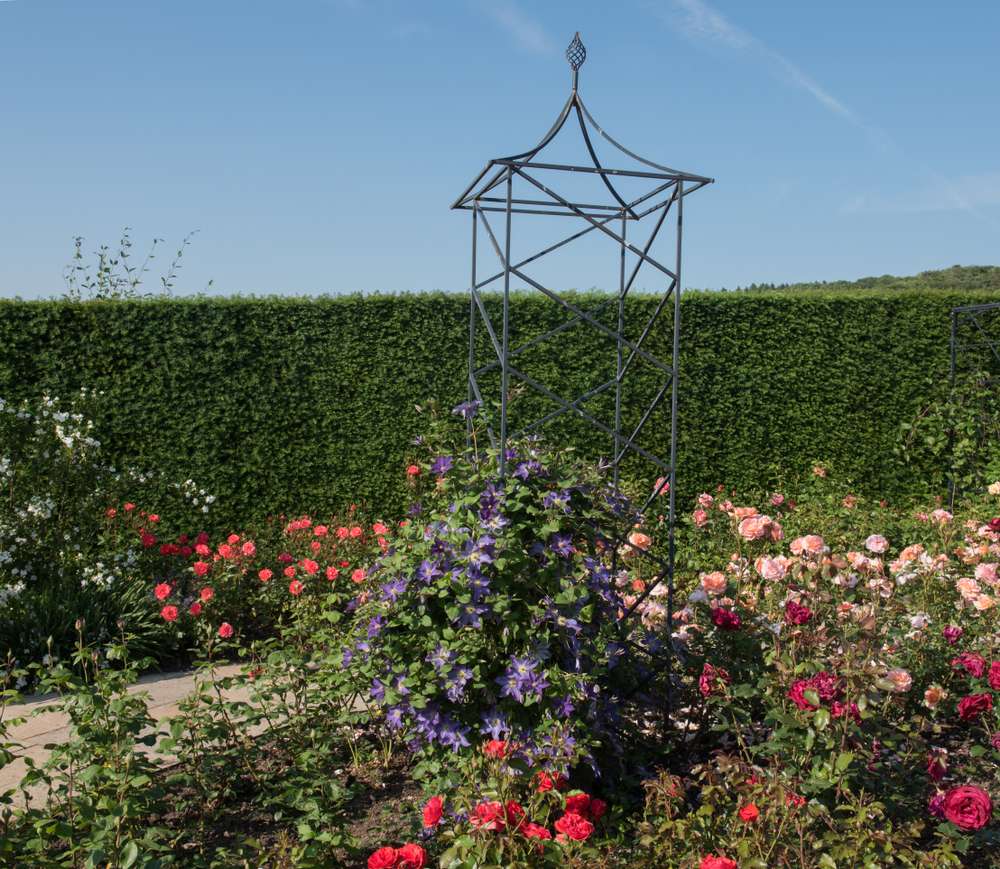
As a classic climbing plant, you’ll mostly find Clematis growing along the edges of forests and clearings in the wild. Because of those woodland roots, they usually thrive best in partial shade. But let’s be real—we don’t always have the “perfect” spot in our gardens. If your sunny patch is all you’ve got, don’t worry! You can still help your Clematis flourish and produce tons of blooms by choosing the right companion plants to tuck in at the base.
It’s All About the Right Light
In their natural habitat, the underbrush and forest floor vegetation provide plenty of shade for the Clematis root system. At the same time, the vines reach up toward the canopy to soak up the sun. This “cool feet, warm head” requirement is what makes finding the right location a bit of a puzzle. If you can’t provide natural shade, you can easily mimic it by planting low-growing neighbors to shield the base.
Fast-Spreading Perennials
Ideally, you want the bottom 12 to 20 inches of your Clematis to stay in the shade. To get that coverage, look for perennials that grow to about that height and spread out relatively quickly. Some of my favorite go-tos for this are Coral Bells (Heuchera), Hostas, and Bellflowers (Campanula).
Managing Dominant Neighbors
If you decide to go with more “aggressive” spreaders like Lady’s Mantle or Balkan Cranesbill, you’ll want to make sure their roots don’t pick a fight with your Clematis. It’s a good idea to create a little underground barrier. You can use a bit of pond liner or even concrete garden edging to keep the root systems separate and happy.
A few other great perennial options include:
- Lesser Calamint
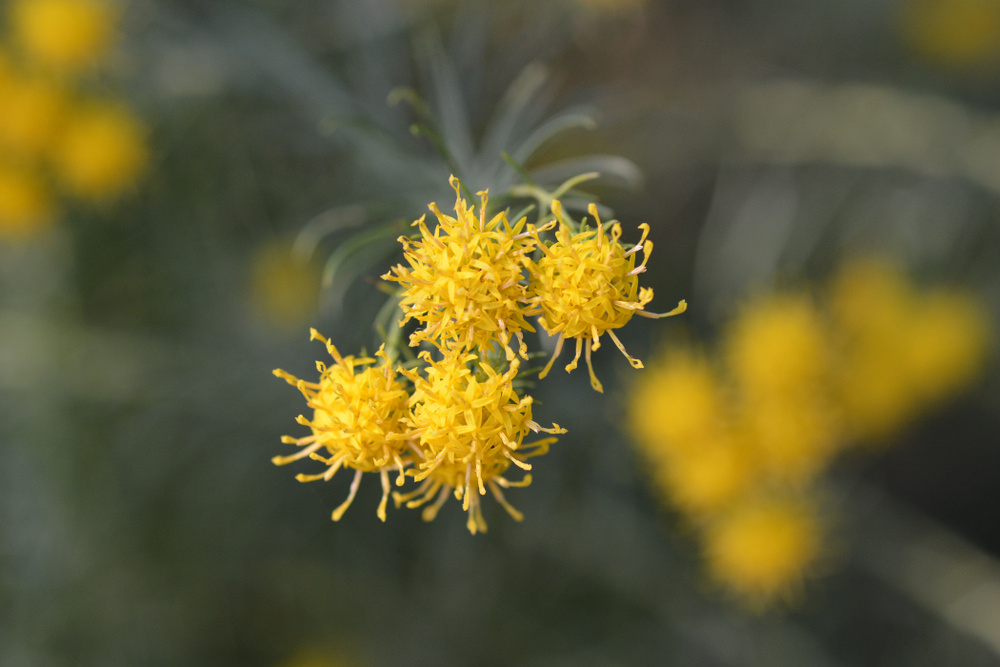
- Goldilocks Aster
- Marguerite Daisy
Companion Planting for Container Clematis
If you’re growing your Clematis in a pot or planter, that lack of shade at the base can become an issue even faster since pots heat up quickly. To keep those roots cool in a container, try underplanting with these trailing or mounding beauties:
- Serbian Bellflower
- Santa Barbara Daisy
- Baby’s Breath
- Golden Guinea
- Double Bird’s-Foot Trefoil