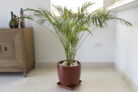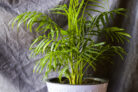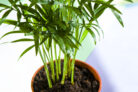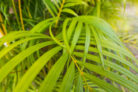
Finding a single dry leaf on your Areca palm isn’t the end of the world. But if you start noticing more and more brown fronds, it’s definitely time to take a closer look. Usually, this is a cry for help due to a slip-up in care or a pesky spider mite infestation. Let’s dive into what’s causing the trouble and how you can get your palm back to its lush, green self.
Location and Care Issues
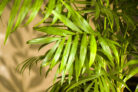
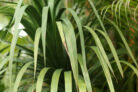
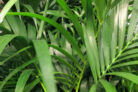
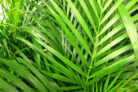
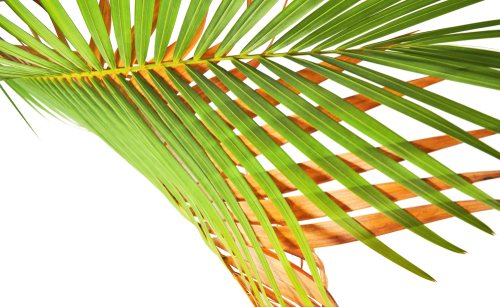
Most of us know the Areca palm (also called the Butterfly palm) for those stunning, feathery green fronds. They’re the plant’s pride and joy, so when they start drying out, it’s a major red flag. Often, the culprit is an unideal spot in your home or a watering routine that’s a bit off. These palms are actually pretty sensitive and won’t hesitate to let you know if they’re unhappy.
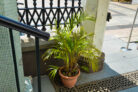
Here is what a happy Areca palm prefers:
- A bright spot with plenty of light, but away from harsh, direct sun.
- Consistently moist soil (think “wrung-out sponge”), but never soggy.
- A draft-free area.
- Warmth! Try to keep it in a room that stays above 65°F.
When it comes to watering, aim for twice a week in the summer and once a week during the winter. These palms are a bit picky about water quality, so use soft water if possible—rainwater or tap water that’s been sitting out for a day works great. Just be careful not to let water pool at the bottom of the pot, or you’ll run the risk of root rot.
Dealing with Pests
If your care routine is on point but the leaves are still drying out, you might have spider mites. These tiny critters are almost impossible to see with the naked eye, but they leave behind a tell-tale sign: fine, delicate webbing in the crooks of the leaves. If you spot these webs, give your palm a gentle shower with lukewarm water and carefully wipe down the stems with a cotton swab to clear away the pests.
Once you’ve handled the source of the problem, go ahead and trim away the brown, crispy parts. Use a sharp pair of clean scissors—even nail scissors work well for precision. Just keep in mind that the leaf won’t grow back from where you cut it, so only remove the parts that are completely dried out to keep the plant looking its best.