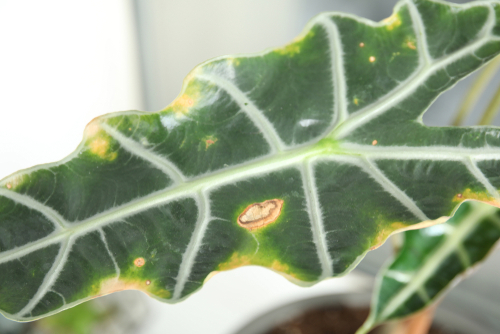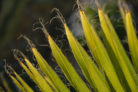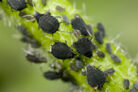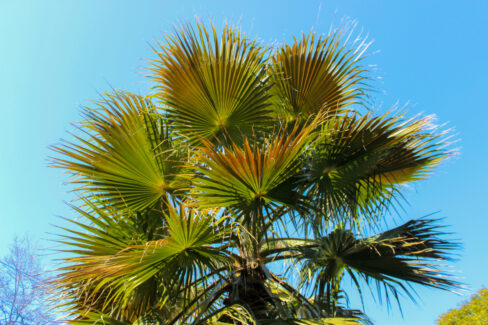
Seeing brown tips on your Windmill Palm can be a real bummer, but don’t panic! Usually, it’s just a sign that your plant is a bit unhappy with its care routine or environment. While sometimes it’s just a natural part of the aging process, more often than not, it comes down to where the palm is sitting or how it’s being watered.
Common Culprits for Brown Leaves
If you notice your palm’s fronds turning brown, one of these issues is likely the cause:
- Not enough nutrients
- Lack of sunlight
- Watering mistakes (too much or too little!)
- Transplant shock after repotting
- Frost damage
- Low humidity
- Pests or diseases
Dealing with Plant Stress
Did you recently move your palm to a new pot? If those tips start browning right after a move, your plant is probably just stressed out. You can totally trim off those dried-out bits to keep it looking tidy. Just a pro tip: leave about two inches (5 cm) of the leaf stem attached to the trunk so you don’t accidentally damage the main plant.
Location, Location, Location!
The Chinese Windmill Palm is a sun-lover. If it’s tucked away in a dark corner, the leaves will start to lose their luster and turn brown. To keep it happy and growing strong, make sure it gets at least two to three hours of direct sunlight every day—yes, even during the winter months!
Winter Woes and Brown Fronds
While Windmill Palms are surprisingly cold-hardy, extreme icy temperatures can still take a toll. When the leaves freeze, they turn brown and brittle. If your palm stays outside year-round, give it some cozy winter protection using materials like:
- Burlap sacks
- Garden fleece or frost blankets
- Bark mulch (to protect the roots)
- Pine branches
- Coconut fiber mats
If you do get some winter damage, just snip off the brown tips. Make sure to use a very sharp pair of garden shears so you get a clean cut. Ragged edges can tear and leave the plant vulnerable to germs and diseases.
Watering and Feeding Like a Pro
These palms are thirsty! They need regular watering, even in the winter—just wait until the top layer of soil feels dry before reaching for the watering can. You won’t need to water quite as often in the winter as you do during the summer heat. For feeding, give them some fertilizer every two weeks from April through September. Just remember to hit the pause button on fertilizing during the winter dormancy period or right after you’ve repotted them.