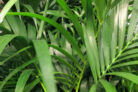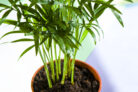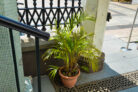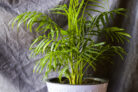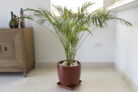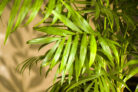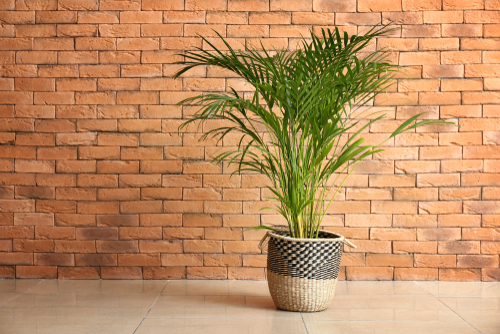
Generally speaking, the Areca Palm is a pretty tough customer and rarely gets sick. If you start noticing some weird changes in your plant, it’s usually a sign that something is off with its care routine rather than a mysterious disease. Here’s a breakdown of the common issues your palm might face and how to spot the warning signs.
How to Spot Trouble
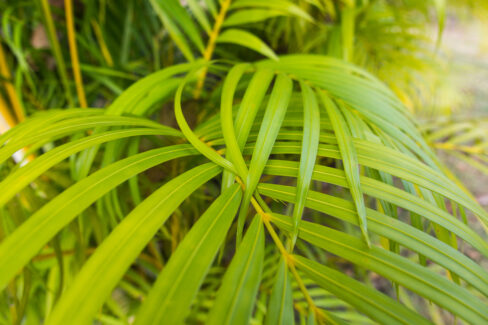
The Areca Palm, also known as the Golden Cane Palm, is a favorite for indoor gardeners everywhere. The best way to check on your plant’s health is to look at the leaves. If they lose that vibrant, lush green look and start showing unusual changes, something is likely wrong with its environment or its location in your home.
Keep an eye out for these red flags:
- Brown leaf tips
- Dried-out, crispy leaves
- Strange discolorations on the underside of the leaves
- Rotting spots on the leaves or the trunk
Is Dry Air Hurting Your Plant?
The Areca Palm is native to Madagascar, where it thrives in warm, humid conditions. Because of those tropical roots, it’s very sensitive to dry air. Low humidity is the number one cause of those pesky brown tips. If the air stays too dry for too long—which happens a lot during the winter when the heater is blasting—the plant can really suffer. The good news? You can fix this by misting the leaves with lukewarm water and making sure you’re watering your Areca Palm correctly.
Is Your Areca Palm Rotting?
While they love humidity, overwatering or improper pruning can lead to serious health issues like rot. Standing water in the bottom of the pot is a big no-no for these palms. Additionally, being too aggressive with your shears can open the door for decay. You should really only prune your palm when it’s absolutely necessary.
If you do find any rotting sections, you’ve got to act fast and remove them, otherwise, the plant will rot from the inside out. Always use a sharp knife or a pair of clean garden snips. Make sure to disinfect your blades before you start; dirty tools can spread bacteria and make things worse. A pair of clean nail scissors actually works great for precision pruning on smaller affected areas!