The Kentia palm is a total breeze to care for, which is exactly why it’s one of the most popular houseplants out there. But even though it’s low-maintenance, there are a few things you need to keep an eye on. If you start seeing brown spots or entire leaves turning brown, your palm is likely trying to tell you that something in its routine is a little off.
Too Much Heat
Winter can be a tough time for Kentia palms, and that’s often when those pesky brown leaves show up. These palms are Aussie natives and love staying warm (ideally above 64°F year-round), but they definitely have a “too hot” threshold. When you combine cranking up the heater with dry indoor air, it stresses the plant out. To survive, the palm goes into emergency mode and starts dropping leaves to save energy.
The cool thing about Kentia palms is how much they improve your indoor air quality. To keep yours happy in the winter, try moving it to a room that stays a bit cooler—the bedroom is usually a perfect spot, and you’ll benefit from the fresh air while you sleep! Just make sure it still gets plenty of light; east- or south-facing windows are your best bet.
Too Dry
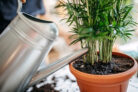
Kentia palms are big fans of consistently moist soil. If you skimp on the watering, they’ll let you know pretty quickly. They’re also sensitive to low humidity, which usually shows up first as brown, crispy leaf tips.
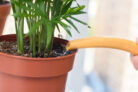
To keep the hydration levels just right, think of it in two steps. First, aim to water your palm about every five days on average (you can stretch this to every ten days during the winter). Second, give the leaves a nice misting with a spray bottle once a week.
If your home stays particularly dry, placing a few bowls of water near the plant can also help boost the local humidity.
Nutrient Deficiency
Your Kentia palm needs a steady diet to stay green and lush. While it’s not a “heavy feeder,” it does have a moderate appetite for nutrients—specifically nitrogen and potassium. You can find these in specialized liquid palm fertilizers, but honestly, a standard green houseplant fertilizer works just fine as long as it contains those two key ingredients.
From spring through fall, give your palm a boost of fertilizer once a month. You can take a break during the winter months while the plant goes into its natural rest phase. Don’t panic if a leaf or two turns brown during this time; it’s often just a normal part of the plant’s cycle!