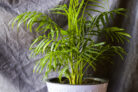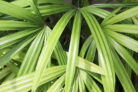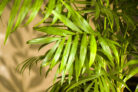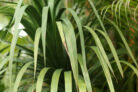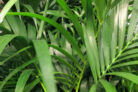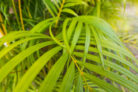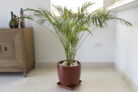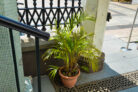
If you notice the leaves on your Areca palm turning yellow, don’t panic—but don’t ignore it either! This is usually a major red flag that pests have moved in. The good news is that if you act fast, you can totally save your plant and get those fronds back to their lush, vibrant green. Here’s the lowdown on how to handle it.
Are spider mites crashing your plant party?
Commonly known as the Butterfly Palm or Golden Cane Palm, the Areca is loved for its gorgeous green foliage. When those leaves start turning yellow, it’s more than just an eyesore; it’s your plant’s way of telling you its health is at risk. More often than not, you’re dealing with an Areca palm pest infestation.
Here are the tell-tale signs of spider mites:
- Tiny, thin webs left behind on the leaves
- Fronds turning a sickly yellow
- The pests themselves are almost invisible to the naked eye
Spider mites are the usual suspects here. They’re so tiny you might need a magnifying glass to actually see them, but they leave behind a very specific calling card. If you look closely, you’ll see fine, silky threads that look like miniature spider webs. If you see those, you’ve definitely got mites.
How to treat your Areca palm
Grab a spray bottle or even take your palm to the shower. Using lukewarm water, give the leaves a good rinse. Then, take a soft cloth or some cotton swabs and gently wipe down the affected areas. Your goal is to physically remove as many of the mites and their webs as possible.
Once the plant is clean, it’s time to talk about humidity. Spider mites absolutely love dry air, which is a common problem for indoor palms. Since you can only move your Areca palm outdoors under specific warm conditions, you have to manage the climate inside.
A simple trick is to mist your palm’s leaves with water every now and then. This boost in humidity makes the environment much less attractive to pests and helps prevent them from coming back. And of course, make sure you water your Areca palm regularly—you never want that root ball to completely dry out!