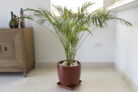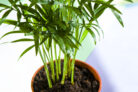
With its lush, vibrant green fronds, the Areca Palm (also known as the Butterfly Palm) is a total game-changer for any indoor space. But it can be a real heartbreaker when those beautiful leaves start turning brown. If your plant is looking a little sad, don’t panic! Here’s a breakdown of what might be going wrong and how you can nurse your Areca Palm back to health with the right TLC.
What those brown leaves are trying to tell you
The Areca Palm is a Madagascar native. In its home habitat off the coast of Southeast Africa, this palm thrives in a warm, humid tropical climate. Over here, we love them as houseplants, and they even enjoy spending the summer outdoors if the weather is right. Those long, feathery fronds are great for adding a tropical vibe to your living room, but if they start browning, it’s usually a cry for help.
First, check for uninvited guests. Areca Palms can sometimes fall victim to pests like spider mites or thrips. You can usually spot the evidence if you look closely: spider mites leave behind tiny, delicate webs that look like miniature cobwebs. On the other hand, if you see small brown spots on the undersides of the leaves, you’re likely dealing with thrips. In either case, you’ll want to take action against the pests immediately. However, if the entire leaf is turning brown, the culprit is usually a hiccup in your care routine.
Getting your Areca Palm care back on track
Usually, an Areca Palm develops brown leaves because its location is too dark or there’s an issue with its water intake. You might be underwatering your palm, or—just as likely—water has pooled at the bottom of the pot. Waterlogging is a major no-no; it messes with the plant’s metabolism and can cause those sensitive roots to rot.
To keep your Areca Palm happy, aim for these conditions:
- Well-draining, consistently moist soil
- A bright spot, but away from harsh, direct sunlight
- A location protected from cold drafts
- Soil with a slightly acidic pH level
If things are looking rough, your best bet is to prune the affected fronds and repot the plant into fresh, high-quality soil. Hold off on fertilizing for the first two months after repotting to give the roots a chance to recover. Moving forward, make sure the soil stays evenly moist, but always ensure that excess water can drain away freely.