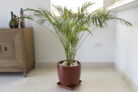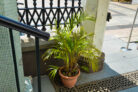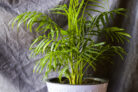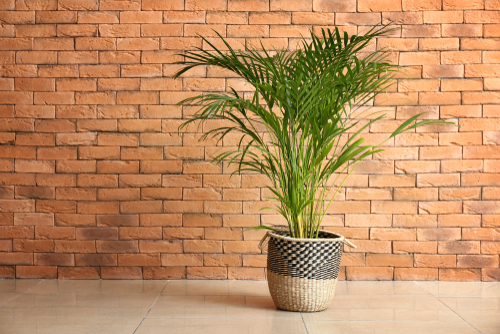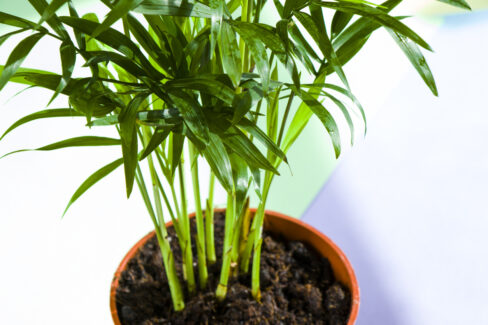
Originally hailing from the tropical shores of Madagascar, the Areca Palm (often called the Butterfly Palm or Golden Cane Palm) loves a warm, humid environment. If you want to keep those gorgeous, feathery green fronds looking their best for the long haul, getting your watering routine down is key.
How often should you water your Areca Palm?
The golden rule for Areca Palms? Never let the root ball dry out completely. To keep your plant happy and hydrated, it needs regular watering whether it’s living indoors or spending the summer outside. During a scorching summer, you’ll find yourself reaching for the watering can quite often. In the winter, things slow down a bit—just give it enough water so the soil feels moist to the touch. Usually, once a week is plenty during the colder months.
In the summer, aim to water your Areca Palm at least twice a week. However, you’ve got to watch out for “wet feet” (standing water). These palms hate sitting in soggy soil, which can quickly lead to root rot. Your best bet is to use a well-draining potting mix and a pot with a drainage hole at the bottom. Set the pot on a saucer so any excess water can escape easily.
The right water and proper care
Keeping your palm thriving involves more than just a schedule and the perfect sunny spot. If you really want to show off your green thumb, pay attention to the water temperature. These are tropical plants, so they’re sensitive to the cold! Always use lukewarm water to avoid shocking the roots.
What to use when watering your Areca Palm:
- Room-temperature tap water (let it sit out for a bit) or rainwater
- Lukewarm temperature
- Mix in fertilizer as needed
Since it’s a potted plant, your Areca Palm also needs a little extra “food” to stay vibrant. During the growing season (spring and summer), fertilize every two weeks. You can scale back significantly in the winter. Use a specialized palm fertilizer or a high-quality liquid fertilizer mixed right into your watering can. Just a heads-up: if you’ve just finished repotting your palm, hold off on the fertilizer for the first two months to let the roots settle in.