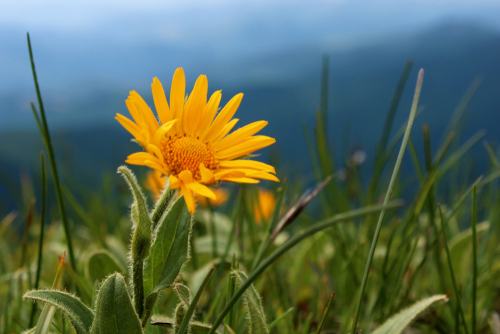
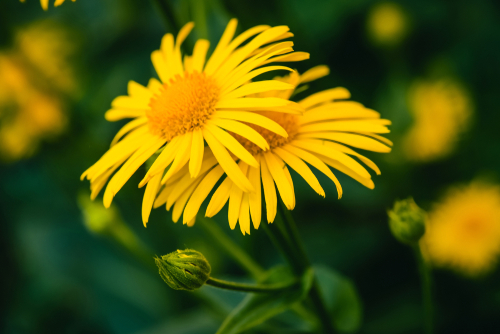
Arnica has been a go-to healing plant for centuries, famous for soothing bruises and helping wounds heal. These days, it’s actually a protected species in the wild, so picking it is a big no-no. But here’s the good news: you can totally grow it in your own backyard! Not only do those cheerful yellow blooms brighten up your garden all summer long, but you’ll also have your very own supply of natural first aid for bumps and scrapes.
Buying Arnica Seeds
Since wild Arnica is protected, you can’t go around gathering seeds in nature. Your best bet is to buy them from a reputable garden center or seed supplier. The pros of buying seeds are that they’re tested for germination (so you know they’ll actually sprout!) and you can choose from different cultivated varieties that vary slightly in look and medicinal strength.
The Perfect Spot
Arnica isn’t too high-maintenance, but it does have a few “must-haves” if you want it to thrive:
- Full sun to partial shade
- Slightly acidic soil
- Low lime content (it’s not a fan of alkaline soil)
- Consistently moist soil
- Good drainage (no soggy feet!)
Sowing Your Arnica
You have two choices here: you can sow them directly in the garden or start them early indoors or in a greenhouse. Just a heads-up: patience is key! Arnica usually doesn’t bloom until its third year. Once it does, you can harvest those dandelion-like “parachute” seeds in the fall.
Greenhouse and Windowsill
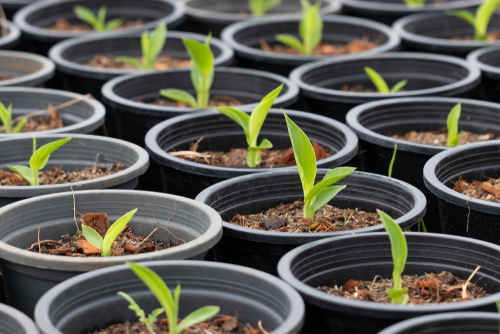
If you want a head start, you can begin sowing indoors as early as February. They actually like it a bit chilly to start—around 40°F (5°C) is ideal. Use a seed tray, but don’t bury the seeds! Arnica seeds need light to germinate, so just press them gently onto the surface of the soil.
Outdoors
If you prefer direct sowing, wait until May. Make sure the area is well-weeded; you don’t want your tiny Arnica seedlings getting choked out by aggressive weeds before they have a chance to establish themselves.
Cold Stratification
If you want the best results, I highly recommend “stratifying” your seeds first. This is just a fancy gardening term for tricking the seeds into thinking they’ve gone through winter, which helps them sprout better. Just mix your seeds with some damp sand and pop them in the fridge (around 40°F) for about six weeks. After their “winter nap,” sow them as usual, and you’ll be good to go!