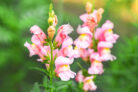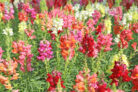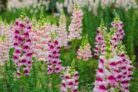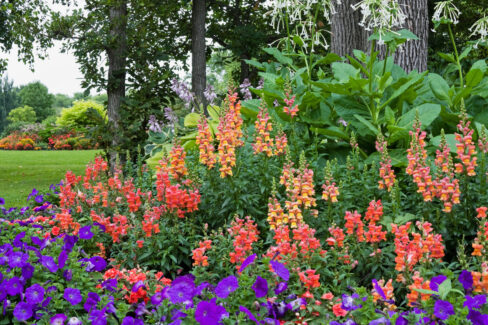
Snapdragons aren’t just famous for those gorgeous, unique blooms; they’re also incredibly hardy and low-maintenance. Plus, growing them from scratch is a total breeze! Here’s everything you need to know about getting your snapdragons started.
Buy ’em or harvest ’em
You can easily pick up a packet of snapdragon seeds at your local garden center or hardware store. But, if you already have some growing in your yard, why not save your own? Just wait for the seed pods to dry out on the plant, snip them off, and shake them over a piece of newspaper. You can plant those seeds right away or tuck them into a paper bag to save for later.
Sowing directly in the garden
The easiest way to get going is by sowing seeds directly outdoors. You’ll want to find a spot in your garden that gets plenty of sun and is tucked away from harsh winds. Along with good lighting, make sure your soil is rich in organic matter and drains well.
One important tip: snapdragons are “light germinators,” meaning they need light to sprout. You should barely cover them with soil—if at all! Because the seeds sit right on top, they can be a snack for local birds. To protect your future flowers, you can either sow extra seeds to account for the “bird tax” or stretch some netting over your garden beds.
Starting seeds indoors
If you’re itching to get a head start, you can start your seeds indoors. Unlike outdoor sowing, you can kick this off as early as late winter. Since snapdragons are light germinators and actually prefer a bit of a chill to get going, it helps to let your soil and seeds cool down before you start. Here’s the game plan:
- Fill your starter pots with chilled seed-starting mix.
- Sprinkle the seeds right on the surface.
- Use a spray bottle to gently mist the soil. You don’t want to use a heavy pour, or you’ll wash those tiny seeds away!
- Keep the soil consistently moist.
Find a bright spot for your pots where the temperature stays between 60°F and 70°F. Once May rolls around and the weather warms up, you’re all set to transplant your snapdragons into their permanent home in the garden.