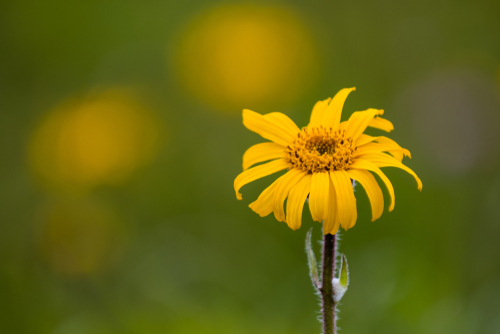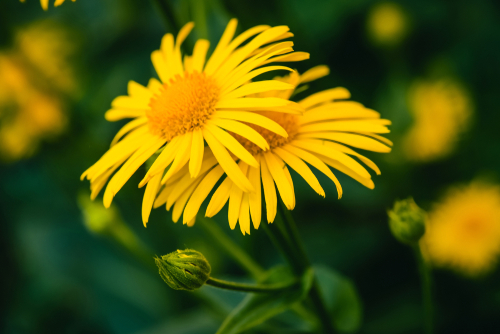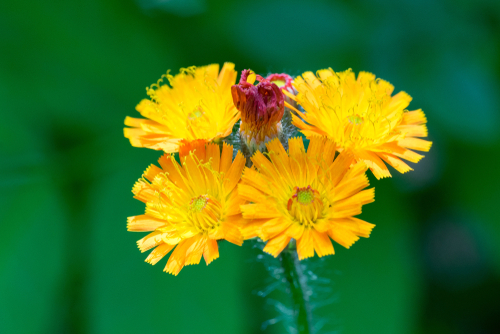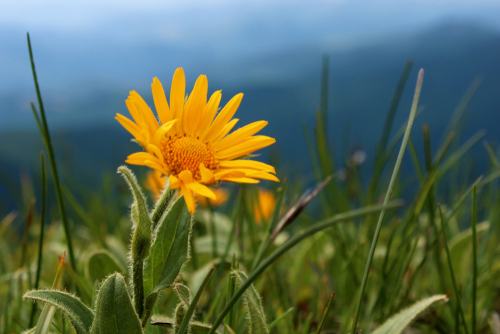
For centuries, Arnica was harvested so heavily for its medicinal properties that it was nearly driven to extinction in the wild. Thankfully, while it’s still a staple in natural medicine today, the blossoms now come from professional growers rather than wild meadows. The good news? You can bring this stunning plant into your own backyard by growing it from seed!
Understanding Arnica Seeds
Arnica is part of the daisy family, and you’ll notice it shares a few traits with the common dandelion. Both have vibrant yellow blooms and seeds attached to tiny, feathery “parachutes.” If you already have Arnica in your garden, you might not even need to lift a finger—the wind will catch those seeds and plant them for you. Of course, that means you might find Arnica popping up in random spots! If you want to keep things organized, it’s better to collect the seeds in the fall and start them in trays the following spring.
Buying and Prepping Your Seeds
If you’re starting from scratch, you’ll need to pick up some seeds from a reputable supplier. You’ll find a few different varieties out there, each with a slightly different look. Commercial seeds are usually tested for germination, but you can give them a major head start by “stratifying” them. Just mix the seeds with some damp sand and pop them in the fridge (around 40°F) for about six weeks. This cold treatment mimics winter and tells the seeds it’s time to wake up and grow.
Sowing and Raising Young Plants
The best time to start your seeds is in February. Use trays filled with seed-starting mix and keep them in a greenhouse or on a sunny windowsill. Here’s the most important tip: Arnica seeds are “light germinators,” meaning they need light to sprout. Do not bury them! Just press them gently onto the surface of the soil. To keep them hydrated without washing them away, use a spray bottle to mist the soil regularly.
If you prefer to skip the indoor trays, you can sow Arnica seeds directly in the garden starting in May. While Arnica isn’t particularly high-maintenance, it is picky about its location. To keep your plants happy, aim for these conditions:
- Slightly acidic soil
- Low lime/calcium content
- Consistently moist (but not soggy!) soil
- Good drainage to avoid standing water
- A spot with full sun to partial shade
When sowing outdoors, remember again: don’t cover those seeds with soil! To keep the wind from blowing your hard work away, you can lightly scatter a very thin layer of hay or grass clippings over them to weigh them down while still letting the light through.