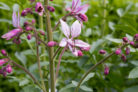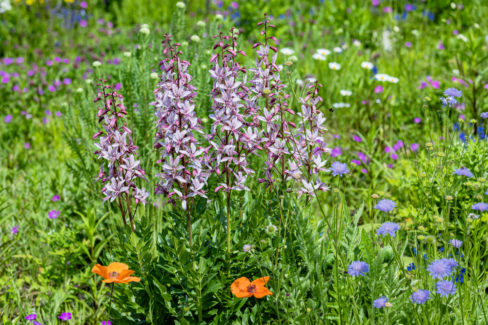
The Gas Plant (Dictamnus albus) belongs to the Rue family and is a classic, hardy perennial that you don’t see in many backyards these days. Honestly, it’s a hidden gem! If you manage to grow one, get ready for some serious garden envy from your neighbors. It grows into a stunning, bushy plant with gorgeous flower spikes that give off a refreshing lemony scent. Plus, if you’re looking to expand your collection, the seeds are great for starting new plants.
Harvesting Gas Plant Seeds
The plant blooms from May through June, and by late summer, it develops star-shaped seed pods. Once those seeds are ripe, the pods actually “explode” open, shooting the seeds out! If you want to collect them for planting, you’ve got to be quick—harvest them just as the pods start to crack. A little pro tip: don’t wait too long to plant them. These seeds lose their “oomph” (germination power) if they sit in storage, so it’s best to get them in the ground by fall.
Getting Started with Sowing
The Gas Plant is a bit of a diva when it comes to sprouting. It’s a “cold germinator” and a “light germinator,” which means you have to follow a few specific rules to get results:
- First, the seeds need to stay warm for about 4 weeks.
- After that, they need a “chilling period” (stratification) for about two weeks at 32°F to 40°F.
- I recommend storing them on damp sand in the fridge to keep mold at bay.
- Once they’ve had their winter nap, they’re ready to sow.
- Since they need light to sprout, do not cover them with soil!
Step-by-Step Sowing
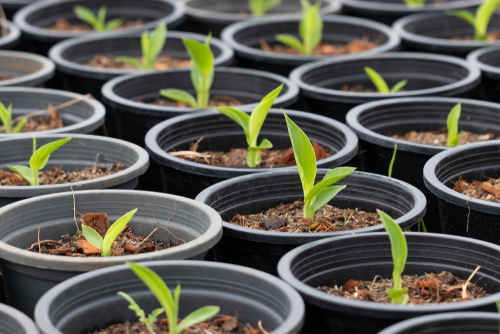
Grab some seed trays or pots and fill them with a good seed-starting mix. Scatter your seeds right on top of the soil—remember, no burying! Use a spray bottle to keep the soil moist without washing the seeds away. Place your trays in a bright spot that stays around 45°F to 55°F. Now, here’s the kicker: germination can take up to six months. Patience is key! During this time, keep an eye on the moisture levels and watch out for any fuzzy mold. Once the seedlings are sturdy enough, you can move them outside. Just be super careful—they have a long taproot and *hate* being moved once they’re settled.
Alternatively, you can try the “set it and forget it” method by sowing them directly in the garden in the fall. The winter weather naturally softens the hard seed shells so they can sprout in the spring. The downside? You can’t really baby them or protect them from the elements like you can in pots. Both methods have their pros and cons, so why not try a bit of both and see what works best for your garden?