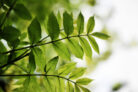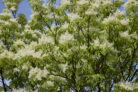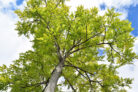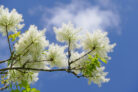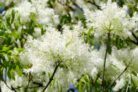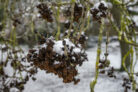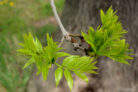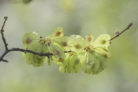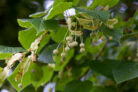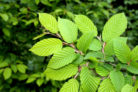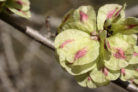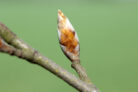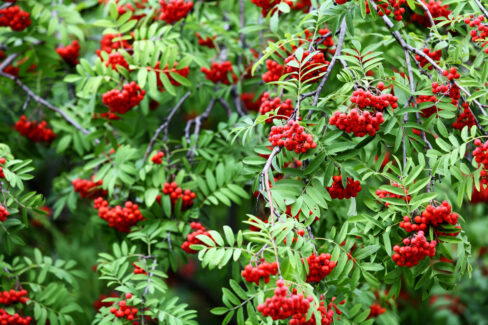
Ash tree fruits are actually tiny nutlets, and they’re one of the coolest ways to identify an ash tree. They tend to hang onto the branches for a long time, giving the tree a very distinct look even when the leaves are gone. But there’s a lot more to these little seeds than meets the eye!
Nature’s Little Helicopters
Because of how they look and move, people often call ash fruits “helicopters” or “spinners.” If you want to get fancy with the botanical lingo, the technical term is samara.
Here’s a quick breakdown of what makes these fruits unique:
- They get that “helicopter” nickname because they have a single wing on one side that helps them catch the breeze.
- They usually grow in pairs.
- They’re slim and elongated, typically about an inch long and maybe a quarter-inch wide.
- When they’re ripe, they have a nice glossy brown color.
- You’ll see them hanging in thick, tufted clusters called panicles.
How the Fruits Develop
The journey starts with the flowers. These bloom from buds that form at the very beginning of the year. It’s a long process—the tree goes through several stages of development before those fruits are finally ready to show off by the end of the season.
Waiting for the First Harvest
Inside each fruit is the seed that will eventually become a new tree. However, ash trees aren’t in any rush to reproduce. A solo ash tree usually won’t start producing seeds until it’s about 20 to 30 years old. If the trees are growing close together in a dense forest or grove, they might wait until they’re 40! You’ll know your tree has finally hit “adulthood” when you see those first flowers and fruits appearing.
When Do They Ripen?
The ripening process kicks off in late summer, usually around the end of August. By late September or early October, the little nutlets are fully mature, and the seeds inside are ready to grow.
Winter Decor: Fruits That Stick Around
One of the most helpful tips for identifying an ash tree in the winter is that the fruits stay on the branches for a long time—sometimes for an entire year! While other deciduous trees drop everything in the fall, the ash tree holds onto its seeds, making it easy to spot against a snowy sky.
Catching a Ride on the Wind
The ash tree is pretty unique among hardwoods because it relies entirely on the wind to spread its seeds. This process is called *anemophily*. Thanks to those clever wings, the lightweight fruits can travel hundreds of yards away from the parent tree just by catching a good gust.
Sprouting Up in the Garden
Because these seeds germinate right on the surface of the soil, you’ll often see tiny ash saplings popping up in your garden beds. The good news? Since they start on the surface, they’re easy to pluck out if they’re in the wrong spot, or you can move them to a better location if you want to grow a new tree.
Can You Use Ash Fruits?
Believe it or not, these fruits aren’t just for the birds! When they are young and soft, the fruits and seeds can be dried and used in spice blends. Some folks even use them to flavor liqueurs or pickle them like capers. It’s a fun way to bring a bit of the forest into your kitchen!