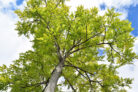
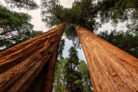
The Ash tree isn’t just any backyard tree; it actually holds the title of the tallest deciduous tree in Germany. When you look at its impressive growth rate and how high it can climb, it’s easy to see why. Given the right spot to call home, an Ash can soar up to 130 feet (40 meters) high!
The Ash: A True Giant
The Ash is classified as a “large tree,” and it definitely lives up to the name. A mature Ash tree, which can live to be about 250 years old, can reach heights of 130 feet and spread its canopy up to 115 feet wide. It grows with a “monopodial” habit, which is just a fancy way of saying it focuses its energy on a strong central trunk reaching for the sky rather than putting all its effort into side branches.
Size Depends on the Variety
While 130 feet is the benchmark for the big guys, the final height really depends on which species of Ash you’re looking at. Here’s how the most common European varieties stack up:
- The Common Ash is the heavyweight, reaching about 130 feet.
- The Narrow-leafed Ash is a bit smaller, topping out around 100 feet.
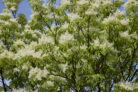
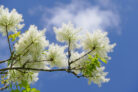
- The Manna Ash (or Flowering Ash) is the “baby” of the family, usually only reaching about 50 feet.
The Secret Sauce for Great Growth
If you want an Ash tree to reach its full potential, location and soil are everything. These trees are pretty flexible when it comes to light—they’re just as happy in full sun as they are in partial shade.
However, they are a bit pickier about what’s under their “feet.” For the best results, the soil should be:
- Loose and deep (so those roots can stretch!).
- Rich in lime or clay.
- Anywhere from slightly acidic to alkaline on the pH scale.
- Consistently moist, though they definitely don’t like “wet feet” (standing water).
Watch Out for the Neighbors (Especially Beeches!)
Ash trees have a bit of a rivalry with Beech trees. If a Beech is planted too close, it can actually stunt the Ash’s growth and even shorten its lifespan. This is because Beeches are nutrient hogs and their dense canopies tend to steal all the sunlight.
Give Them Some Breathing Room
Because they don’t love competing with other big trees, Ash trees do much better when they are planted as a “specimen” or standalone tree. They really shine when they have their own space to grow rather than being crowded in a group with other species.