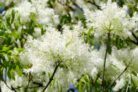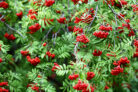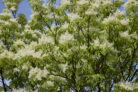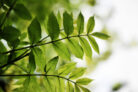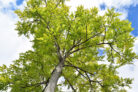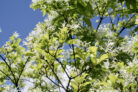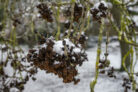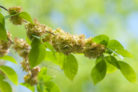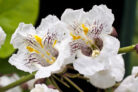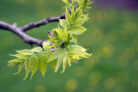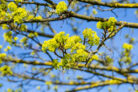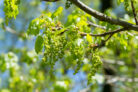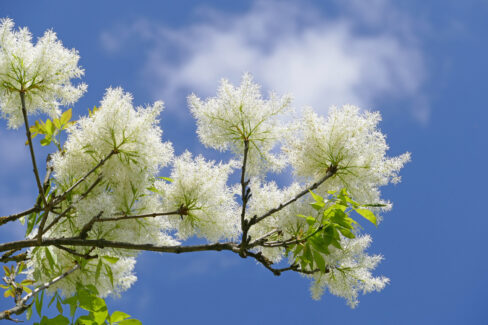
At first glance, ash tree blossoms aren’t exactly showstoppers. They’re pretty tiny and have a subtle green color that makes them easy to miss. But don’t let their modest looks fool you! These little flowers have some fascinating quirks, and if you struggle with seasonal allergies, they’re definitely something you’ll want to keep on your radar.
Key Features of Ash Blossoms
Here’s a quick breakdown of what makes an ash flower unique:
- They are usually an inconspicuous green color.
- They’re quite small individually.
- They grow in large clusters (inflorescences) packed with many tiny flowers.
- Individual flowers can be hermaphroditic (having both male and female parts) or single-sex.
The Lifecycle of the Flower
The development of these blossoms is actually a long game. It takes about a full year to go from the first bud to the blooming stage, and finally to the point where seeds are formed.
It All Starts with the Buds
The flowers emerge from distinctive little black buds. You’ll actually see these forming very early in the year—often as early as January. These buds are the starting line for the entire reproductive cycle; without them, the tree wouldn’t be able to produce flowers or fruit later on.
When Do They Bloom?
The blooming season for the ash tree typically hits in April and May. One of the coolest things about the ash is that the flowers usually open up before the leaves even appear. This means you’ll often see an ash tree in full bloom while the branches still look bare and wintry.
From Flowers to Fruit
Once those flowers are pollinated, they transition into the ash tree’s fruit—those little winged nutlets (often called “keys” or samaras) that show up in late summer.
Pollination: Blowing in the Wind
Ash trees produce separate male and female flowers and rely on the wind to get the job done. Interestingly, the ash is the only broadleaf tree that relies solely on wind pollination; most other deciduous trees count on insects or birds to move pollen around. Another unique trait? Ash trees are “late bloomers” when it comes to maturity. They usually don’t become fertile and start producing seeds until they are between 20 and 30 years old.
Bloom Time Means Pollen Season
For my fellow allergy sufferers, ash blossom season isn’t exactly a walk in the park. The pollen from these flowers can trigger some pretty intense allergic reactions. To make matters worse, the ash tree’s blooming schedule often overlaps with birch trees, which can be a real “double whammy” for anyone sensitive to tree pollen.