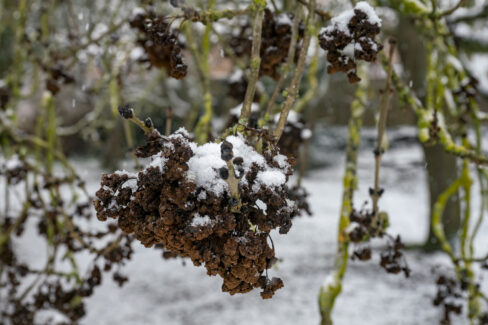
Ever wonder how to tell trees apart once they’ve dropped their leaves? The Ash tree is actually one of the easiest to spot in the dead of winter! While most deciduous trees are standing totally bare in your yard, the Ash has a few “dead giveaways” that make it stand out from the crowd. The biggest clue? It holds onto its fruit all winter long.
How to Spot an Ash Tree in the Winter
Most trees go completely naked for a few months, and the Ash is no exception—it definitely loses its leaves. However, if you look closely, you’ll notice a few unique traits that set it apart:
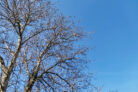
- Upward Growth: Ash branches tend to reach toward the sky rather than spreading out wide to the sides.
- Dense Canopy: The crown of the tree is usually very thick and tightly branched.
- Sturdy Twigs: Compared to other hardwoods, Ash twigs are generally thicker and more robust.
- Velvety Black Buds: Look at the tips of the branches. You’ll see small, jet-black buds. These are actually the head start for next spring’s blossoms, and the tree forms them well before winter even hits.
The Biggest Clue: The Fruit
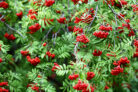
The absolute easiest way to identify an Ash tree is by its fruit. These little winged seeds (technically called samaras) ripen around September or October. But instead of falling off, they cling to the branches all through the winter—sometimes for up to a full year! If you see a bare tree covered in clusters of little dried “keys,” you’re likely looking at an Ash.
The “Green” Fall
Here’s a fun fact: unlike Maples or Oaks that put on a big show of reds and golds, the Ash doesn’t really do “fall colors.” Instead of turning yellow or orange, Ash leaves usually stay green right up until they drop. If your tree goes from green to bare almost overnight without the autumn glow, that’s a classic Ash move.
Cutting Ash Wood in Winter
If you’re planning on felling an Ash tree during the colder months, keep in mind that the wood behaves differently depending on the season. In the winter, Ash wood is incredibly tough and strong. In contrast, summer-cut Ash tends to be more flexible and better for projects that require bending. Depending on what you plan to build with the timber, you’ll want to time your harvest accordingly!