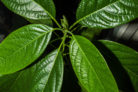
In their native Mexico, avocados are a total staple. You can even find them growing wild in tropical forests! But to keep up with the massive global demand, huge plantations have become the norm.
The Roots of the Avocado
Did you know people have been snacking on avocados for a long time? Evidence shows they were part of the diet in Central America as far back as 10,000 years ago. These trees can reach heights of up to 65 feet and thrive in tropical and subtropical climates. Today, there are about 400 cultivated varieties growing all over the globe—from Chile and Australia to Israel and South Africa. Even Southern Spain has been getting in on the action since the 20th century.
What’s Inside?
Avocados are packed with water, protein, healthy carbs, and fiber. They’re also loaded with minerals, healthy unsaturated fats, and a ton of vitamins, making them a super healthy addition to your diet. Most of us love them mashed on toast with a little salt and lemon or whipped into a classic Mexican guacamole.
Global Production
When it comes to growing avocados, Mexico is the undisputed heavyweight champion, producing about 2.3 million tons a year. Brazil, Chile, and the Dominican Republic are also big players. Globally, we’re looking at a harvest of around 7 million tons annually. Even Spain manages to harvest about 45,000 tons every year!
The Import Scene
In Europe, the Netherlands and France are the biggest fans, importing the most fruit. Germany holds its own too, sitting at sixth place with about 95,000 tons imported annually.
The Environmental Footprint
Here’s the tricky part: avocados are thirsty. It takes up to 265 gallons of water to produce just over two pounds of fruit. For comparison, the same amount of tomatoes only needs about 47 gallons. In major growing regions, this high demand can actually dry up entire rivers. Plus, clearing land for plantations often means losing precious rainforest.
Then there’s the “food miles” issue. Because they travel so far and have to be kept at a steady 43°F (6°C) during transport, their carbon footprint is pretty significant.
Quick Tip: Since avocados are exotic imports for most of us, try to treat them like a special guest at your table. Enjoying them as an occasional treat rather than a daily staple is a great way to be a more eco-conscious gardener and consumer!