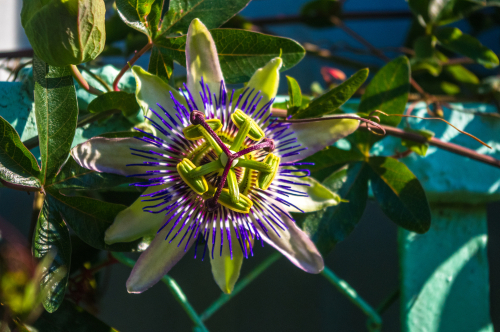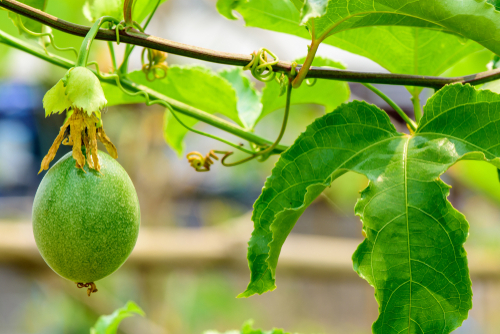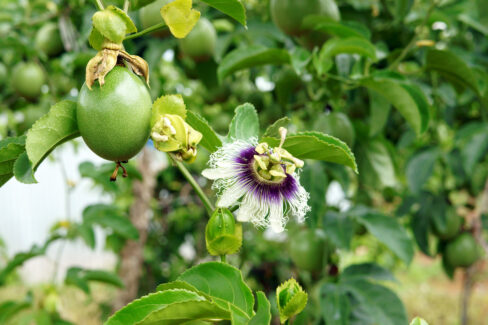
Growing your own passion fruit might sound like a dream reserved for the tropics, but you can actually pull it off right here at home! While these exotic beauties need a little extra TLC and a cozy spot to spend the winter, it’s totally possible to grow them in containers and even harvest your own homegrown fruit.
What’s the Best Spot to Plant Passion Fruit?
Even though passion fruit originally hails from the tropics, you can definitely grow it in cooler climates. You can even try your hand at growing its close cousin, the maracuja. Since these plants love to climb, you’ll definitely want to provide a trellis for support. Because passion fruit isn’t fully cold-hardy and won’t survive a harsh frost, you’ll need to plant it in one of these spots:
- In a large pot outdoors (that moves to a frost-free spot for winter)
- In a heated greenhouse
- As a sunny indoor houseplant
To make sure you get ripe fruit, start with the right location and soil. Pick a bright, warm spot with well-draining soil that stays consistently moist. During the growing season, these plants really thrive when temperatures stay above 70°F. When winter rolls around, move them to a bright but cool spot—somewhere between 45°F and 60°F is the “sweet spot” for dormancy.
How Do You Start Your Own Passion Fruit?
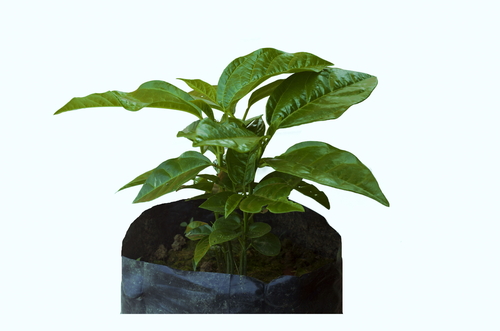
You can usually find pre-grown passion fruit plants at local nurseries that are ready to go outside once the weather warms up. But if you want the satisfaction of starting from scratch, begin your seeds indoors around March. Wait until well after the last frost before moving them into a larger pot outside. Here are your best options for getting started:
- Store-bought seed packets
- Seeds saved from a fresh fruit
- Propagating from cuttings
Sowing Passion Fruit Seeds
If you’re buying seeds, double-check that you’re getting a variety known for edible fruit. You can also use seeds from an organic, store-bought fruit. Just make sure to clean off all the pulp first to prevent mold; soaking them in warm water for a bit makes this much easier. Since these are “dark germinators,” you’ll want to make sure the seeds are completely covered with soil.
Propagating Passion Fruit
If you already have a plant (or a friend does!), you can grow new ones from cuttings. Look for a branch and cut a piece that has one or two leaves and a “dormant eye” (a little bump where a new sprout will come out). You can either let the cutting root in a glass of water or plant it directly into moist potting soil.
Caring for Your Passion Fruit Plant
For the most part, passion fruit is pretty low-maintenance. Just give it a little liquid fertilizer every two weeks during the growing season and keep the soil slightly damp. You can give it a major prune once a year, but feel free to trim back any wild, runaway vines whenever they get too long. One pro tip: if you only have one plant, grab a small paintbrush and help with pollination by hand to ensure you get plenty of fruit!