Ever wondered about that strange fruit growing from an agave’s flower stalk? There are two big myths floating around out there: some folks say they’re toxic, while others think that’s where agave nectar comes from. But what’s the real story? Let’s clear up the confusion.
Characteristics of the Fruit
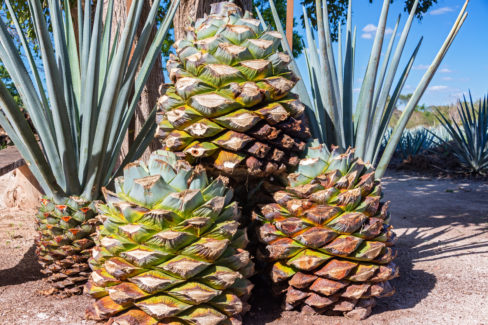
During the agave’s blooming period, fruits start to develop within those striking yellow-orange flower clusters. Over the course of two or three weeks, these fruits produce long, black seeds used for reproduction. Shape-wise, the fruit tapers toward the tip and is “loculicidal,” which is just a fancy gardening term meaning it’s divided into individual chambers.
To keep the family line going, an agave can produce up to five of these seeds per chamber. However, trying to grow agave from seed is way more complicated and takes much longer than simply using “pups”—those little offshoots the mother plant naturally produces throughout her life.
Edible or Poisonous?
When it comes to eating the fruit, opinions are all over the map. You’ll hear some people warn that they’re poisonous and should be avoided at all costs. On the flip side, others are convinced this capsule-shaped fruit is the source of the sweet syrup used to make tequila.
So, let’s set the record straight: the fruit isn’t actually toxic. While different species of this exotic succulent have varying compounds in their leaves and fruit, agaves generally aren’t classified as poisonous plants. The real “danger” isn’t in the fruit’s chemistry—it’s in those needle-sharp spines at the ends of the leaves!
Agave Nectar: Where Does It Actually Come From?
I’ve seen plenty of adventurous home gardeners try to harvest sweet nectar from the agave fruit, only to end up disappointed. That’s because the syrup doesn’t come from the fruit at all! It’s actually extracted from the plant’s thick, water-storing leaves (and the heart of the plant, known as the *piña*). The sap is gathered and then goes through a process of cooking, fermentation, and distillation.
Different agave species give us different treats. The Blue Agave is the star of the show for Mexican spirits like Tequila and Mezcal. Meanwhile, the *Agave americana* is typically used to create the agave nectar you find in the grocery store as a sugar substitute. As for the agave fruit itself? It’s not poisonous, but it’s not exactly a culinary delight either. You’re better off admiring its unique shape than trying to put it on your dinner plate!